Dubai Desert Safari Photos — what it really looks like.
Real Dubai desert safari photos — unstaged, un-stocked, shot on actual Dubai desert departures. This page is the visual file: every scene of the safari in pictures, where and when each frame was taken, how to get the same shots on your own phone, and what the brochure photos conveniently leave out.
Dubai desert safari prices at a glance
Self-drive AED 35 · shared bus AED 50 · shared 4×4 AED 120 · private 4×4 AED 600 for up to 6. Every option includes dune bashing, a camel ride, sandboarding, the BBQ dinner and live shows. Compare every Dubai package, or build your safari below and send it on WhatsApp — pay on arrival.
Two minutes from now, tonight’s golden hour could already be on your calendar — the camera roll follows.
Build Your Safari
Book in under 2 minutes — pay on arrival
Choose your package, tell us where to pick you up, and confirm on WhatsApp. No card, no deposit — your seats are held instantly.
Step 1 — Choose your package
Step 2 — Number of guests
Step 3 — Add-ons (optional)
Step 4 — Your details
You will drive to our Al Awir Road desert meeting point — free parking, GPS pin sent after booking.
Behind these numbers: several hundred thousand guest photos, a fair share of which now live in frames on five continents.
The twelve photos everyone comes home with — where and when each one happens
1–3: The dune trilogy
The ridgeline silhouette — one human figure on a knife-edge crest against the sky — happens at the sunset stop, shot from below the crest looking up; your driver knows the bowls where it composes itself. The texture close-up — wind ripples raking across the frame — is a golden-hour-only shot, when millimetre shadows turn the sand to corduroy. And the convoy shot — Land Cruisers strung along a ridge like a film still — belongs to whoever asks the driver to pause thirty seconds at the field’s high traverse. All three live within the first hour of every evening departure.
4–6: The action set
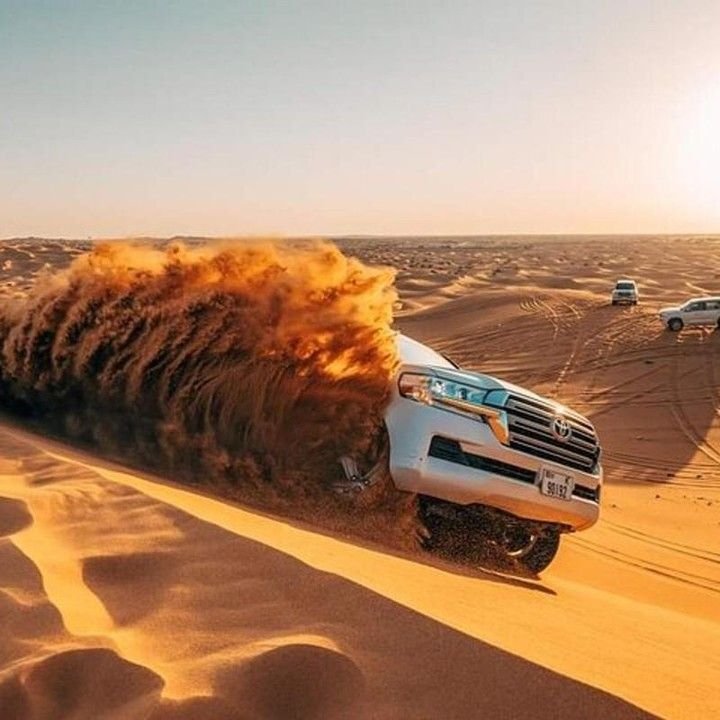
The bash-in-motion frame is shot from inside the vehicle, burst mode, through the windscreen as the bonnet drops off a slip face — do not fight the vibration, harvest it. The sandboard run photographs best from the bottom of the dune looking up, subject descending toward the lens. The quad frame is the camp track’s gift: kneel at the outside of the bend and let the rider lean into your shot. Every action photo improves the moment you stop asking subjects to pose and start shooting what is actually happening.
7–9: The camp set
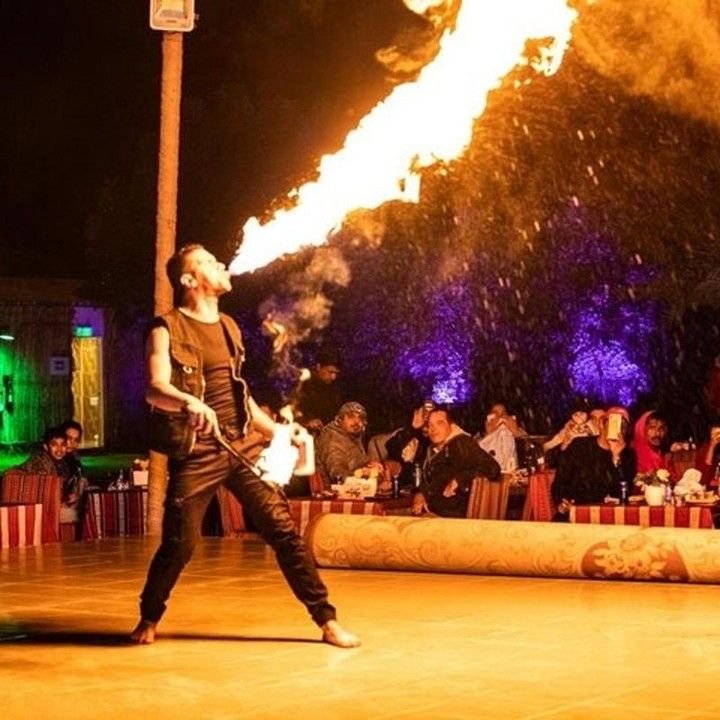
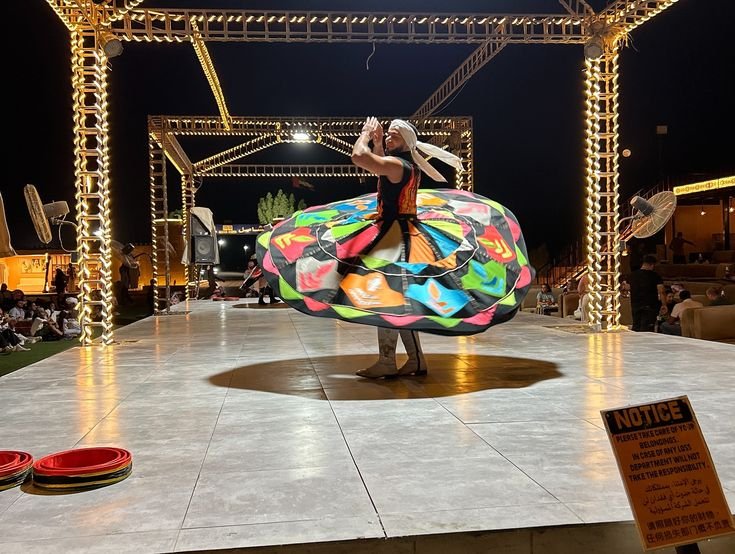
The camel caravan against the sunset is the single most reproduced desert photo on earth and it is included in your ticket — shoot it side-on with the sun behind the animals’ legs. The fire show demands exposure locked on the flames; the tanoura’s spinning skirt wants a slightly slow shutter so the colours smear into a wheel. Between shows, the majlis-and-lanterns still life — cushions, brass, smoke, low light — is the frame that makes people back home ask if you hired a stylist.
10–12: The frames nobody plans
The dark trio: firelight portraits (subject one metre from the pit, flash off, done), the star field (night mode, braced, past the last lantern), and — the sleeper — the drive-home skyline glow rising over black dunes through the windscreen, the photo that best explains where you actually spent the evening. Twelve frames, one included evening, zero equipment beyond the phone already in your pocket; the professional add-on (from AED 50) exists purely so someone else takes them while you live them.
Safari photos vs safari marketing — what the brochures leave out, honestly
How to read any operator’s photo gallery like an auditor
Safari marketing photography has a dialect, and learning it protects your booking. Stock-photo tells: dunes with no tyre tracks anywhere (Lahbab’s working field always carries them), Moroccan-style tents that do not match Gulf camps, and vehicles with obscured or foreign plates. Honest-gallery tells: repeated faces of actual drivers, the same camp furniture across seasons, guests dressed for the weather the caption claims, and — the gold standard — photos guests posted themselves, findable in reviews. Our gallery above is the second kind, and inviting you to check is precisely the point of saying so.
What the pretty frames genuinely omit
Fairness cuts both ways, so here is what even honest photos cannot carry: the twenty minutes of highway before the sand (every operator’s, every time); the crowd two metres left of that serene sunset frame on peak-season Fridays; the fact that golden hour is forty minutes and the other five hours are ordinary bright daylight; and the wind, which some evenings seasons every plate at the buffet with a grain or two of Lahbab. None of it diminishes the evening — but the traveller who arrives expecting the photos plus reality enjoys both, while the one expecting only the photos reviews the gap. This page would rather you arrive calibrated.
Using and sharing your photos — the rights nobody explains
Your photos are yours, entirely — post, print, sell them, no permissions needed from us. Photos our crew takes of you on the professional add-on transfer to you in full within a day, watermark-free. Courtesies that keep the camp friendly: ask before photographing staff and performers close-up (they nearly always say yes, and the falconer will pose the bird), avoid framing strangers’ families as your foreground, and drone pilots must clear UAE GCAA rules before anything lifts off — the Lahbab page carries the sober details. Tag the location as Lahbab or Al Lahbab if you want the algorithm to file it truthfully; the desert has a name, and it has earned the credit.
When the desert photographs best — the light calendar and the honest gear guide
The two golden hours are not equal
Evening golden hour gets the fame, morning golden hour gets the results: overnight humidity settles the dust, so dawn light travels cleaner and horizons render sharper — the sunrise page carries the full physics. Evening compensates with warmth and haze-softened portraits. The professional shorthand: mornings for landscapes, evenings for people, and the two or three days after winter rain for the reddest sand of the year, when iron-oxide saturation photographs like a graded film still.
Month by month, one line each
January: crispest skies, jacket in every portrait. February–March: the sweet spot — warm light, clear air, green flecks after rain. April: first haze, big soft sunsets. May–August: heat shimmer by day, spectacular dusty-orange sundowns, dawn the only sharp window. September: the turn begins. October: connoisseur’s month — clean light returns, crowds haven’t. November–December: postcard season, book early, shoot everything. There is no bad-photo month at Lahbab; there are only different films loaded in the same desert.
Gear honesty — what to bring and what to leave
Bring: the phone (current phones win most desert situations), sunglasses for you, a microfibre cloth for the lens — sand dust is relentless and a t-shirt corner scratches coatings. Consider: a real camera with a 70–200mm if compression landscapes are your thing, changed to inside the vehicle only. Leave: the tripod (banned nowhere, useful almost nowhere on a moving evening — brace instead), the drone (permits, seriously), and the lens you would cry about; the desert is gentle with people and merciless with unattended equipment on sand. Insurance for the camera-serious: the private 4×4 tier, where the vehicle is your dust-free base camp and the driver doubles as a location scout who has watched ten thousand photographers work.
The photographer add-on — what AED 50+ actually buys
The professional photography add-on (from AED 50 per group) attaches a crew shooter to your evening: the twelve-shot list above executed properly, family sets at the sunset stop, show coverage, and full-resolution delivery to your WhatsApp within 24 hours, rights included. It exists for the travellers who realise, correctly, that someone in every group otherwise spends the whole evening behind a screen — usually the one who organised the trip. Fifty dirhams to put that person back into their own holiday is the least-advertised bargain on the price sheet.
The scene-by-scene picture file — what each part of the evening looks like, in words for the images
The dunes themselves — the establishing shot
First-timers consistently misjudge the scale from photos: the Lahbab field’s working dunes run 20 to 60 metres — six to eighteen storeys of sand — with Big Red’s face near 90. The colour reads apricot at noon, copper by six, genuine rust at the last light, and the field is never groomed-empty like the stock images: tyre tracks, camel prints and yesterday’s sandboard runs write a visible daily journal across it that the overnight wind edits back to blank. That working-desert texture is what real photos have and rendered ones lack, and once you notice it you can audit any operator’s gallery in seconds.
The vehicles — white, badged, roll-caged
The honest fleet photo shows current-generation Land Cruisers in white with visible UAE plates, roof-mounted flags for convoy spotting, and interior roll cages behind the headrests — the DTCM signature. Our Hummer H2 photographs like an event because it is one. Any gallery showing luxury SUVs on tarmac, blacked plates or interiors without cages is selling you a rendering of a safari rather than a record of one.
The camp — lanterns, not chandeliers
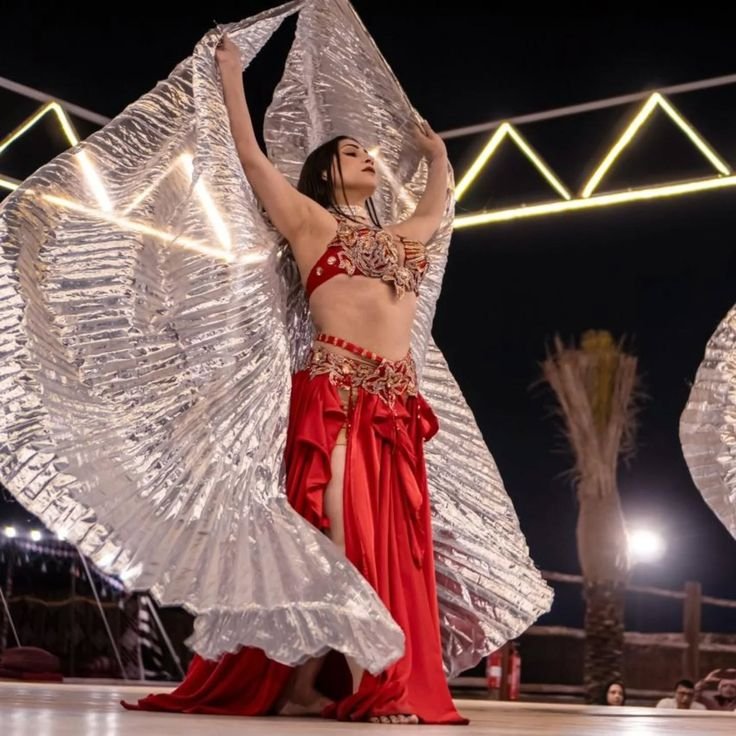
Gulf camps photograph low and warm: sand floors with rugs, cushioned majlis rings, brass lanterns, a central stage, string lights outlining the perimeter against the black desert. If a “Dubai camp” photo shows Moroccan riad arches, permanent buildings or chandeliers, it was taken somewhere else or built in software. The truthful camp frame is humbler and better: firelight on faces, steam off the buffet line, the tanoura’s LED skirt mid-spin painting the crowd.
The people — the photos that actually get printed
Audit your own camera roll after the safari and a pattern emerges that the marketing never predicts: the frames that survive to phone wallpapers and grandmother’s WhatsApp are rarely the landscapes. They are the wind-wrecked hair on the ridgeline, the mid-scream sandboard descent, the henna hand held up to the lantern, the toddler asleep on the drive home with sand still in his fists. The desert supplies the set; your people supply the show. Every package on this site prices the set identically — the show you bring is free, and it is the entire point.
After the shutter — editing, printing and the photos’ long second life
Editing desert frames without ruining them
The commonest post-safari editing crime is over-saturating sand that was already saturated: Lahbab’s golden-hour red needs no help, and sliders pushed past +15 turn geology into candy. The edits that actually improve desert frames are quieter — a touch of dehaze on daytime shots, lifted shadows on firelight portraits, a slight cool shift on star fields that phones render too warm, and the crop discipline to put ridgelines on thirds. One honest pass beats five filters, and the frame that needed nothing was probably the best one you took.
The print test — which safari photos earn paper
A decade of guest feedback yields a reliable printing shortlist: the ridgeline silhouette enlarges best (simple shapes survive big sizes), the camel caravan owns the panoramic format, firelight portraits want small warm prints rather than big ones, and the texture close-ups make unexpectedly elegant square frames. The skyline-glow night shot divides households — print it for the Dubai-sceptic in your life; it argues better than you will.
Sharing etiquette and the algorithm’s appetite
Location-tag Lahbab or Al Lahbab (truth and reach agree for once — the tag outperforms generic “Dubai desert”), credit the driver by first name if he set up your shot (they collect these mentions like trophies), and post the imperfect action frame over the perfect posed one: engagement data and honest joy point the same way. If a frame of ours from this page helps your planning post, take it with attribution; the desert’s pictures were never really anyone’s to hoard.
The last exposure
Somewhere in the middle of every safari, a guest lowers the phone unprompted and just watches — the light doing its slow chemistry, the field turning to rust, the fire catching. That unphotographed minute is consistently the one guests describe first when they get home. Take the twelve shots; they are worth taking. Then put the glass down for one dune’s worth of sunset and collect the frame no sensor ships with. It develops for the rest of your life, and it is included, like everything else that matters out here, in the price of showing up.
End of the visual file. Twenty-four pages of this library describe the desert; this one showed it, scene by scene, tell by tell, shot by shot. The gap between these pictures and your presence is one WhatsApp message wide — and the desert, ever punctual, is already holding this evening’s light for whoever closes it first.
Which package produces which photos — the album-first booking method
Booking backwards from the camera roll
An underrated way to choose a safari: decide which album you want, then book the package that produces it. The self-drive (AED 35) album is the road-trip narrative — your own car at the gateway, the transfer convoy, the full camp set. The bus (50) album adds the social frames: forty nationalities, one sunset. The shared 4×4 (120) is the classic complete set — bash action, ridgelines, camp, all twelve shots reachable. VIP (250) adds the quad sequence and the majlis-luxury stills. The private tiers (600–750) unlock the controlled shoots: empty-ridge portraits, vehicle-as-prop compositions, golden-hour timing bent to your shot list. The overnight (450) owns the frames nothing else can take — the star field, the dawn sleeping camp, sunrise from a sleeping bag. And the Hummer (600) is a single rolling photo opportunity that happens to include dinner.
The one-album-per-trip rule
Guests who safari once should book whichever album above made them scroll back; guests with two slots should pair contrasting albums — evening’s spectacle set plus morning’s empty-desert set is the strongest combination, sharing not a single frame between them. However you choose, the camera roll you fly home with will outlast every other souvenir the trip produces; book it as deliberately as you booked the flights, and the desert will fill it on schedule, in colours no filter has improved yet.
Postscript on sources: every photographic claim on this page — the scale figures, the colour timings, the fleet details, the camp descriptions — is checkable against the twenty-four other pages of this library and against any evening’s live departure. Pictures age; the standard behind them shouldn’t.
Album empty, desert full — the mathematics only resolve one way. Golden hour is a standing appointment out here, kept daily without exception since the sand first learned the trick, and your twelve frames are already composed somewhere east of Al Awir, waiting only for the photographer. Tonight works. So does tomorrow. The light, unusually for anything this beautiful, is patient.
Alt-text honesty, for the record
A nerdy closing credential: every image in this site’s galleries carries descriptive alt text naming the actual scene, package and location — partly for accessibility, partly because search engines index honesty, and mostly because captions that lie about pictures are the smallest, most diagnostic lie an operator can tell. Check ours with any screen reader; the words match the sand. It is a small discipline with a large implication: an operator careful with invisible captions tends to be careful with visible promises, and the reverse correlation, in this market, has never once failed us as a predictor. Small print, big tell.
Shot list saved, light calendar noted, tells memorised — the reader who reaches this line is now, measurably, the best-prepared photographer on tonight’s manifest. The desert appreciates an audience that did the reading; it tends to pose accordingly.
Now go take the thirteenth photo — the one this page could not plan for you: the accidental frame, the mid-laugh blur, the sand-covered shoe held up in triumph, whichever unscripted second your evening decides to save. Ten years of guest albums agree on exactly one thing — it is always, always the keeper. And a final craft note earned by this page’s own subject: photography is the only part of the safari that improves with preparation the guest controls entirely. The driver handles the dunes, the camp handles the evening, the kitchen handles dinner — but the light meter behind your eyes is yours alone, and twenty minutes with the shot list above upgrades it more than any lens purchase would. Guests who read this page arrive shooting deliberately from the first ridge; their albums show it; and the difference between their twelve frames and the average camera roll is not equipment or talent but simply knowing, before the vehicle left the tarmac, what the desert was about to offer and when. That foreknowledge is this page’s entire product — free, printable, and valid on every departure the sand runs. The dunes have no bad angles; they only have unprepared photographers, a category you have now permanently left.
Gallery closed, lens cap off — the desert’s daily exhibition hangs itself fresh every golden hour, admission from thirty-five dirhams, no two showings ever quite alike. Photograph it like you mean it; it has certainly dressed for the occasion.
One page of pictures, twenty-eight pages of context, a desert that resets its own gallery nightly: the library is complete, the light is scheduled, and the next frame in it is yours.
Postscript: the camera roll you build tonight becomes, in ten years, the only part of the trip that still exists on demand. Budget your battery accordingly.
And with that, the visual record rests — until this evening’s golden hour quietly reopens it, as it has every single day since the sand arrived.
Every gallery needs a closing wall text, so: these photographs were taken by ordinary guests on ordinary evenings with ordinary phones — which is precisely the point. The desert does the extraordinary part nightly, on schedule, for anyone who shows up with a lens and the humility to brace it against a friend’s shoulder. Your wall text writes itself out there. Go earn it.
Final aperture: the desert shot everyone remembers was never on this page — it is the one you have not taken yet, scheduled for golden hour, weather permitting, courage included.
Shutter closed, page archived, desert undimmed: the light show continues nightly whether documented or not — but documented is better, and now you know exactly how.
P.S. — dust the lens before the sunset stop. Ten seconds, saves the whole set. You’re welcome.
Now — lens up, east out, and make the desert’s oldest light look brand new one more time — it has been waiting all day for exactly that.
Dubai desert safari photos — frequently asked questions
Red iron-oxide dunes 20–90 metres tall at Lahbab, white Land Cruiser convoys, a sunset that turns the field rust-orange, and a lantern-lit Bedouin-style camp with fire and tanoura shows. The gallery on this page is all real departure photos — no stock.
The sunset stop’s high ridgelines (silhouettes and texture shots), the dune bash itself (burst mode through the windscreen), the camel caravan at golden hour, the fire show, and — underrated — the drive-home frame of Dubai’s skyline glowing over black dunes.
The two golden hours: dawn for the sharpest landscapes (overnight humidity settles the dust), sunset for the warmest portraits. The 2–3 days after winter rain give the reddest, most saturated sand of the year.
Yes — drop exposure slightly so the sand doesn’t wash out, use burst mode during the bash, night mode braced for stars, and never use flash at the fire show. The twelve-shot list on this page needs nothing beyond a current phone.
Optionally — the professional add-on (from AED 50 per group) attaches a crew shooter for the whole evening, with full-resolution photos delivered to your WhatsApp within 24 hours, all rights yours.
Often not — watch for track-free dunes, Moroccan-style tents and obscured plates (stock tells). Honest galleries repeat real drivers’ faces and match guest photos in reviews. Ours invites exactly that cross-check.
Only with UAE GCAA registration and approved-zone clearance — much of Lahbab sits near flight paths and camel farms, and fines are severe. Ask before you fly; we’ll answer honestly whether your permit covers the spot.
Your own photos, completely. Add-on photographer shots transfer to you in full, watermark-free, within a day. Courtesies: ask before close-ups of staff and performers, and don’t frame strangers’ families as foreground.
The highway leg before the sand, Friday crowds outside the frame, the fact golden hour is 40 minutes of a 6-hour evening, and the occasional seasoning of wind-blown sand at dinner. Arrive expecting photos plus reality and you’ll enjoy both.
Morning/private sunrise (AED 1,000/vehicle) for empty dunes and the day’s sharpest light; the Hummer at sunset for vehicle shots; and any evening tier for the camp set. Photographers doing it once should take the private morning — ridge choice is everything.
This gallery is the page’s centrepiece — every frame captioned, located and dated in spirit if not in EXIF.
Moments from the Dubai dunes
Every photo below was taken on our own Dubai desert safari tours — the same Land Cruisers, the same Lahbab red dunes, the same camp you will visit. No stock photography, no filters that oversell the light; the desert at golden hour genuinely looks like this.
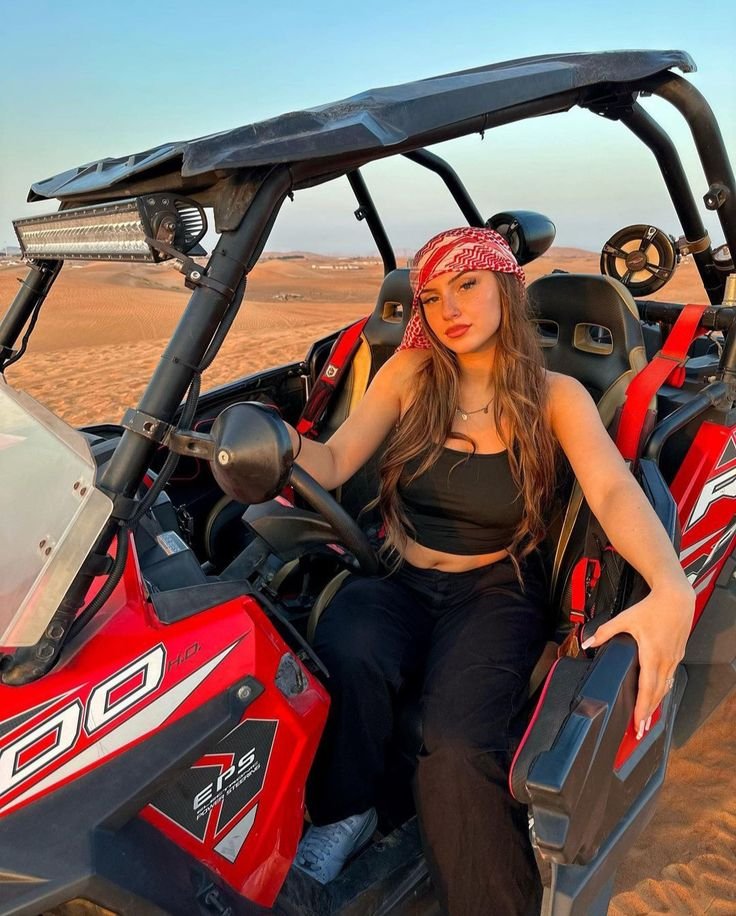
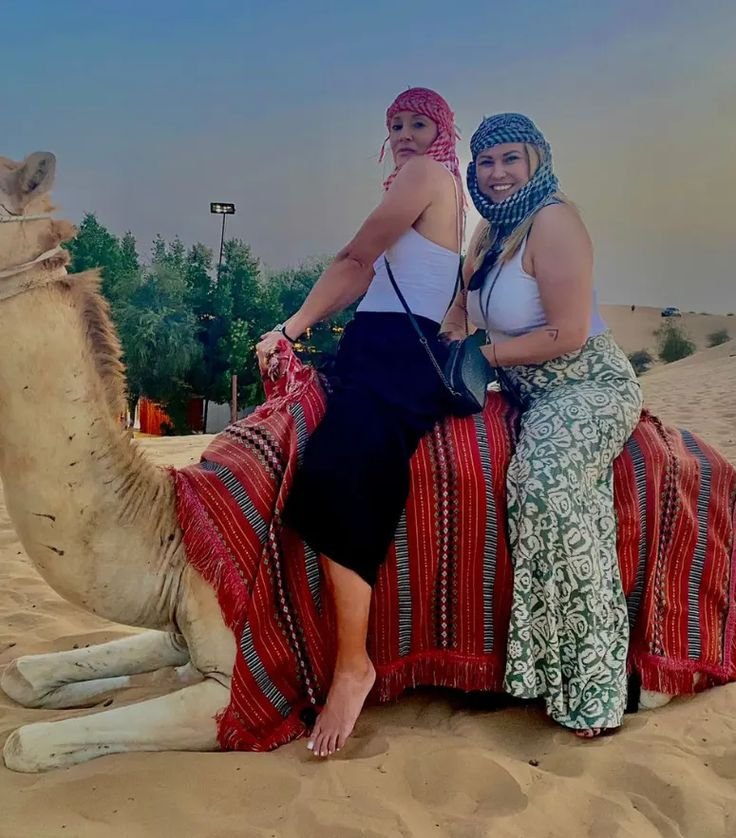
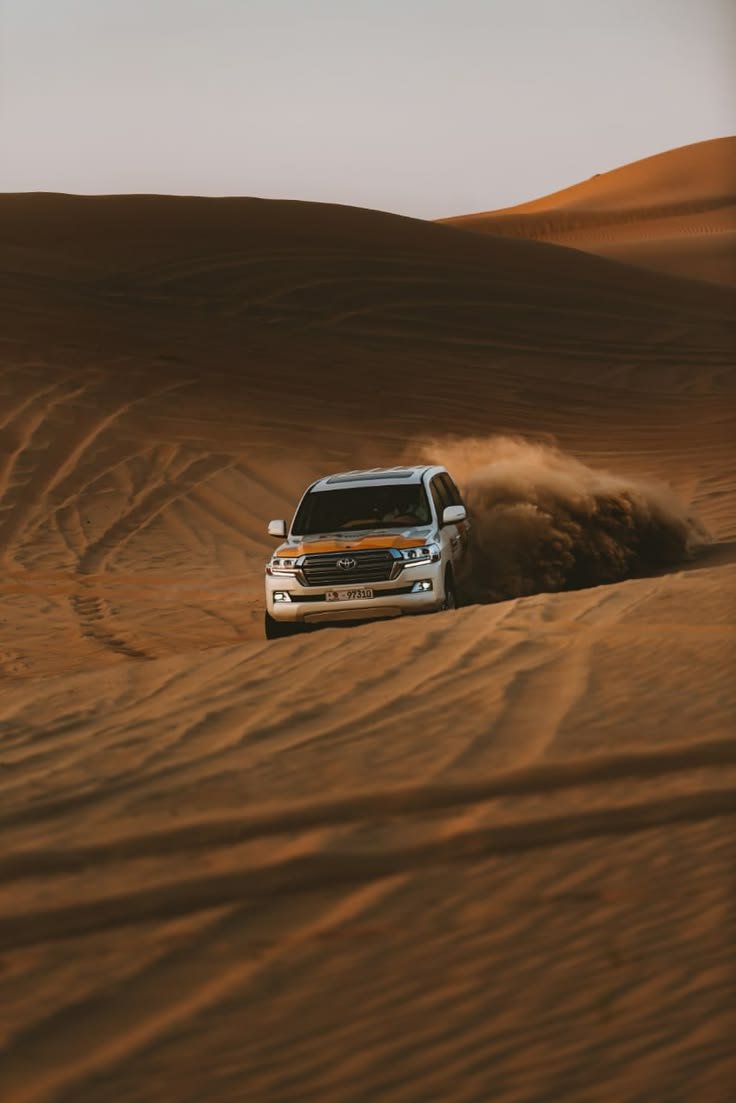
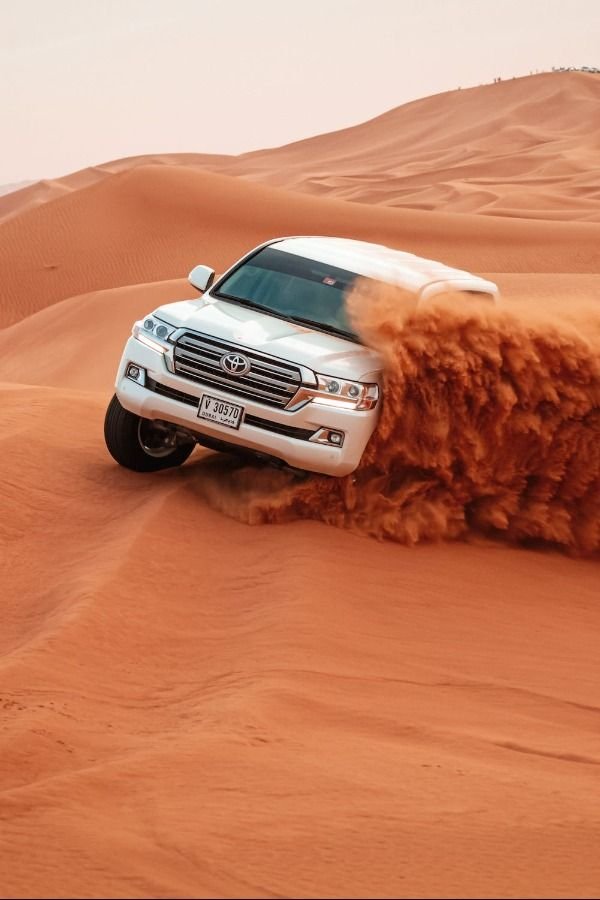
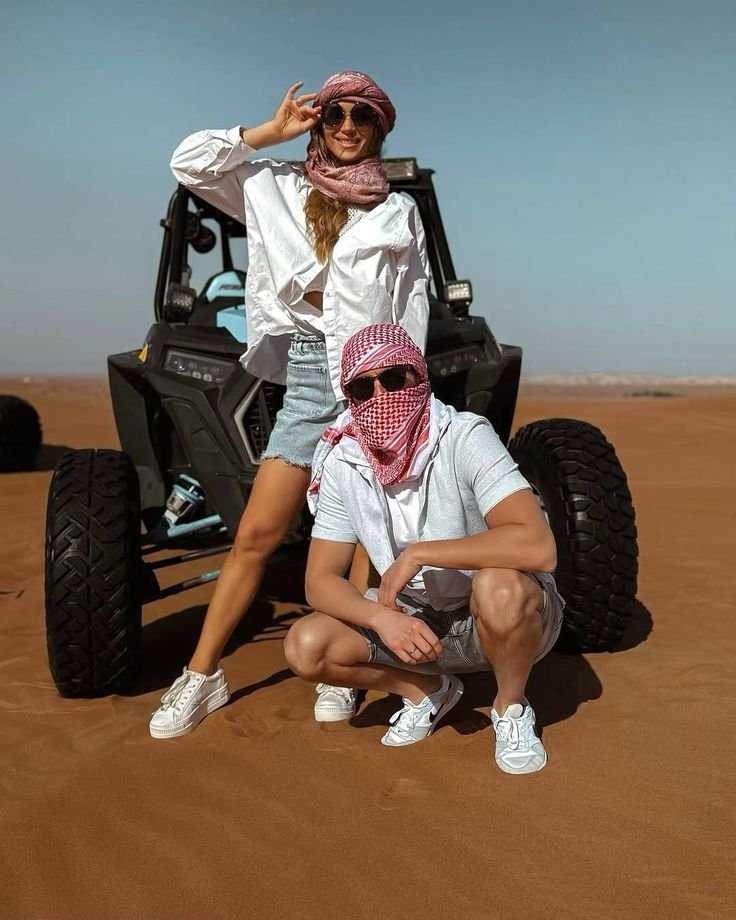
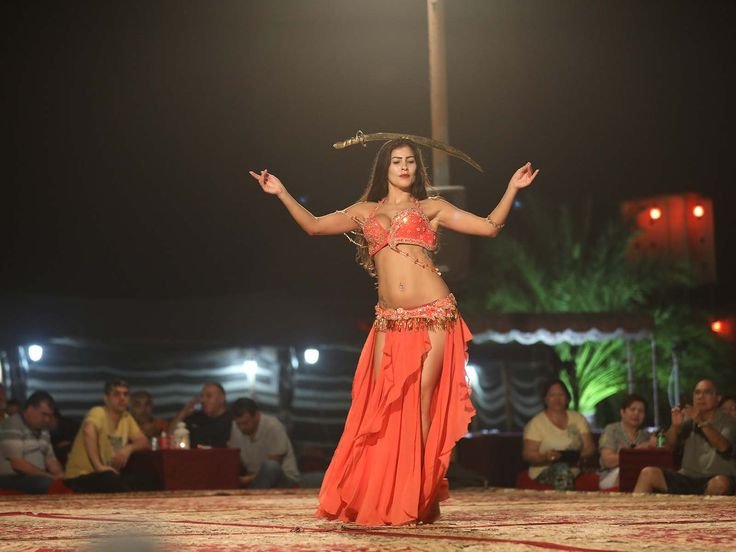
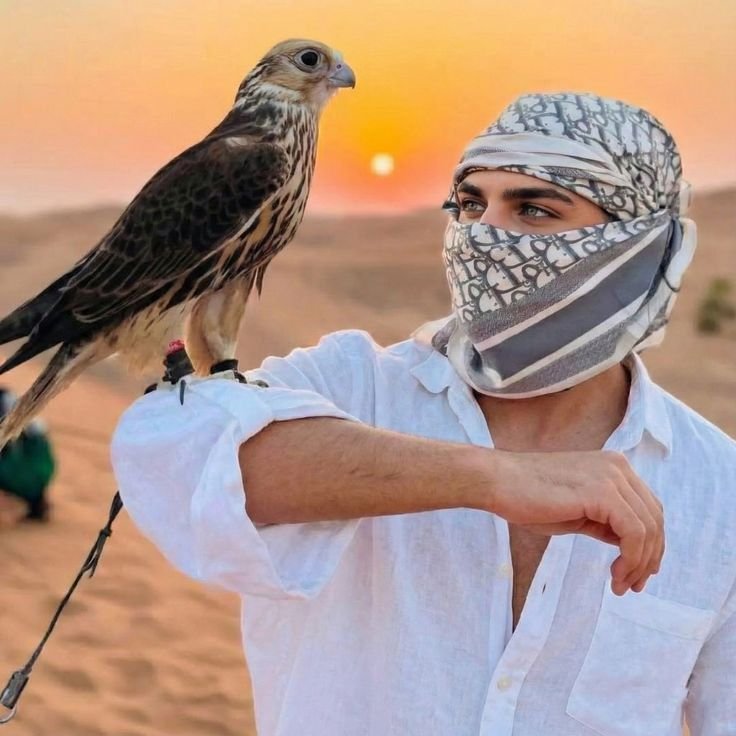
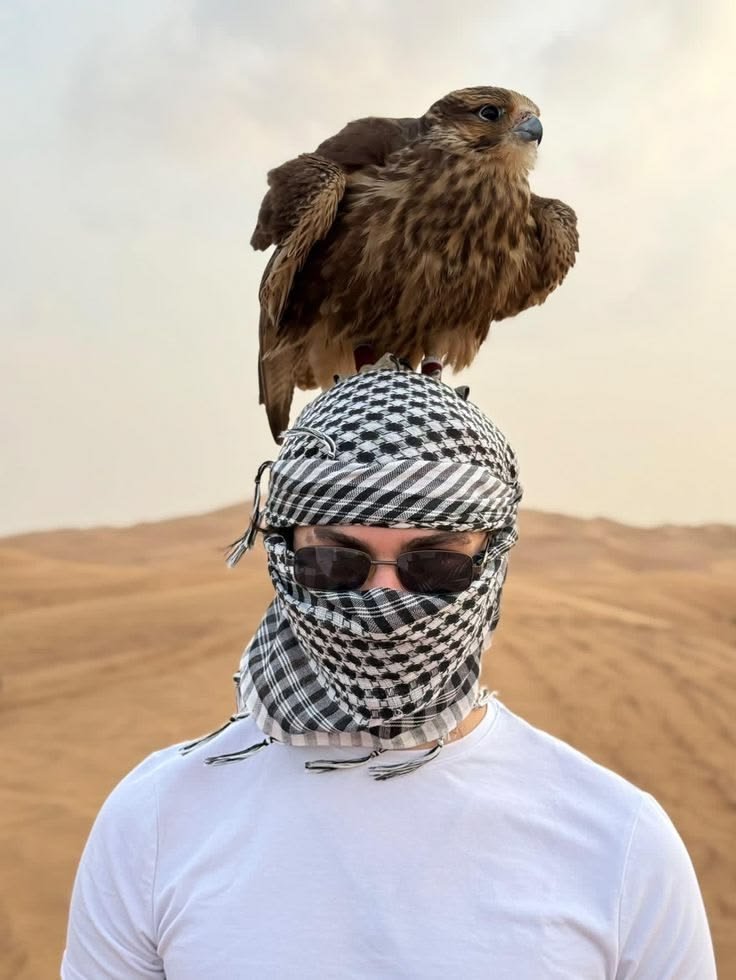

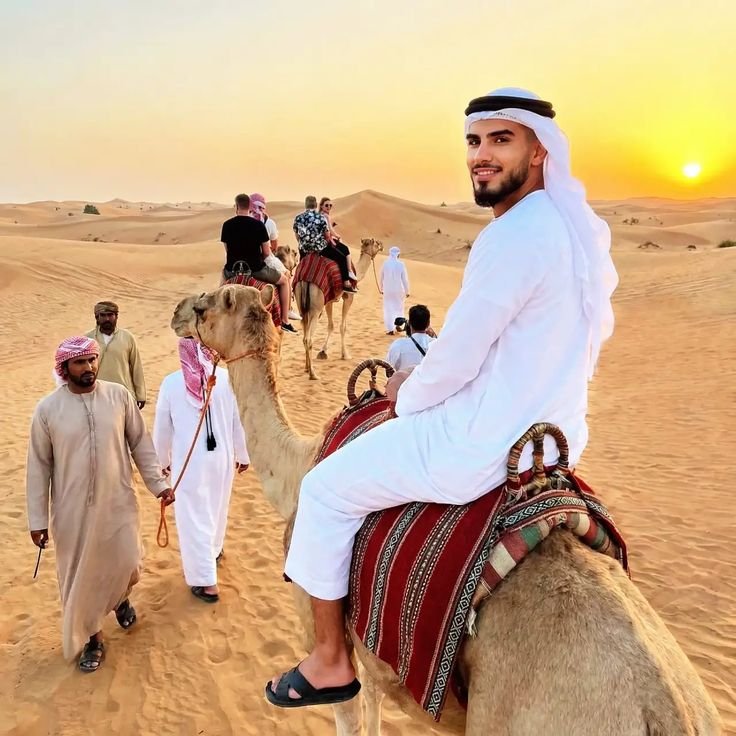
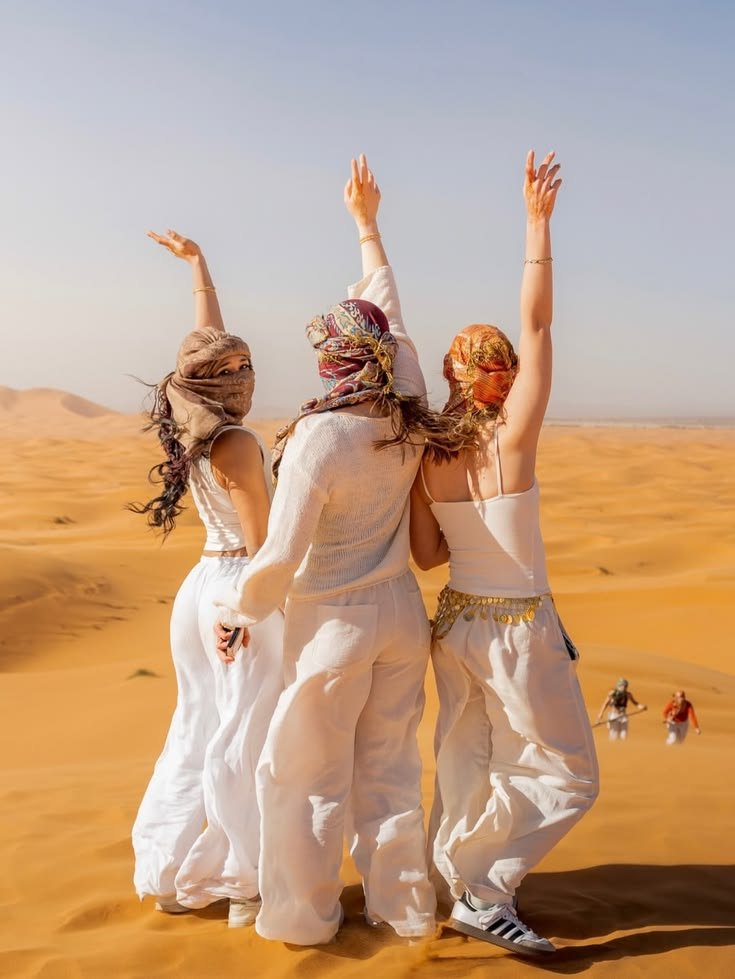
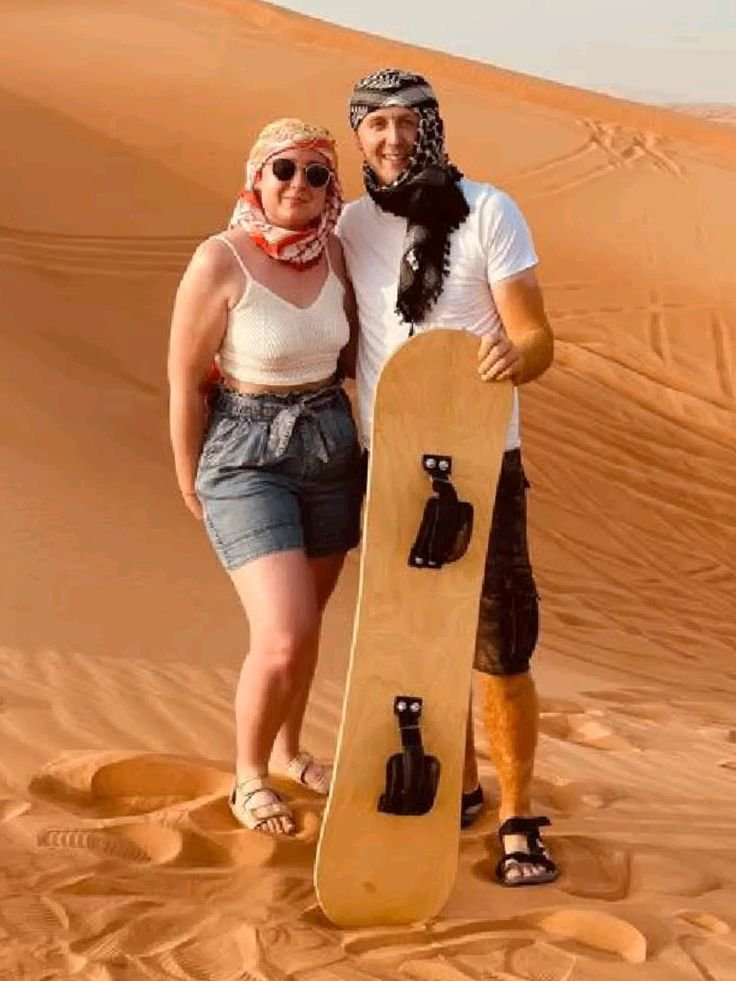
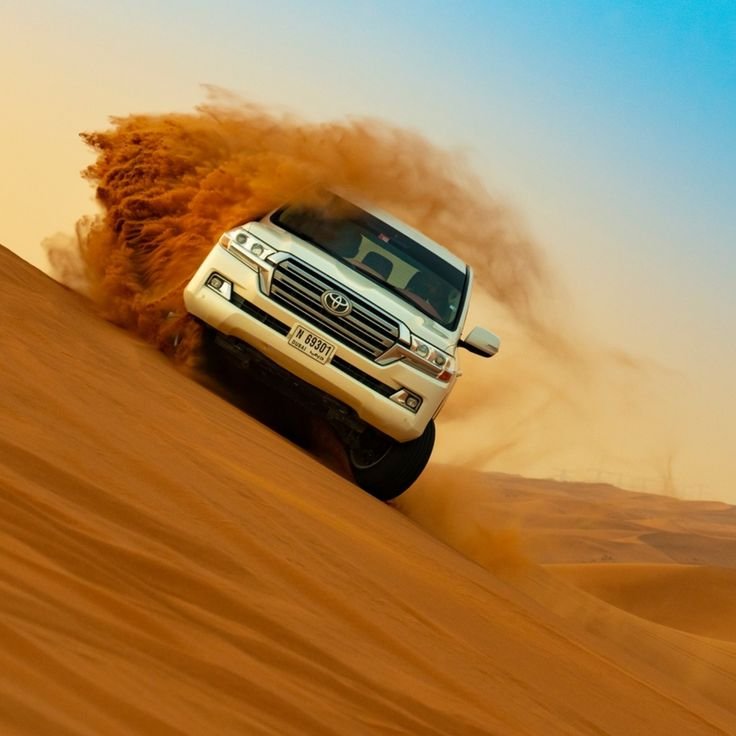
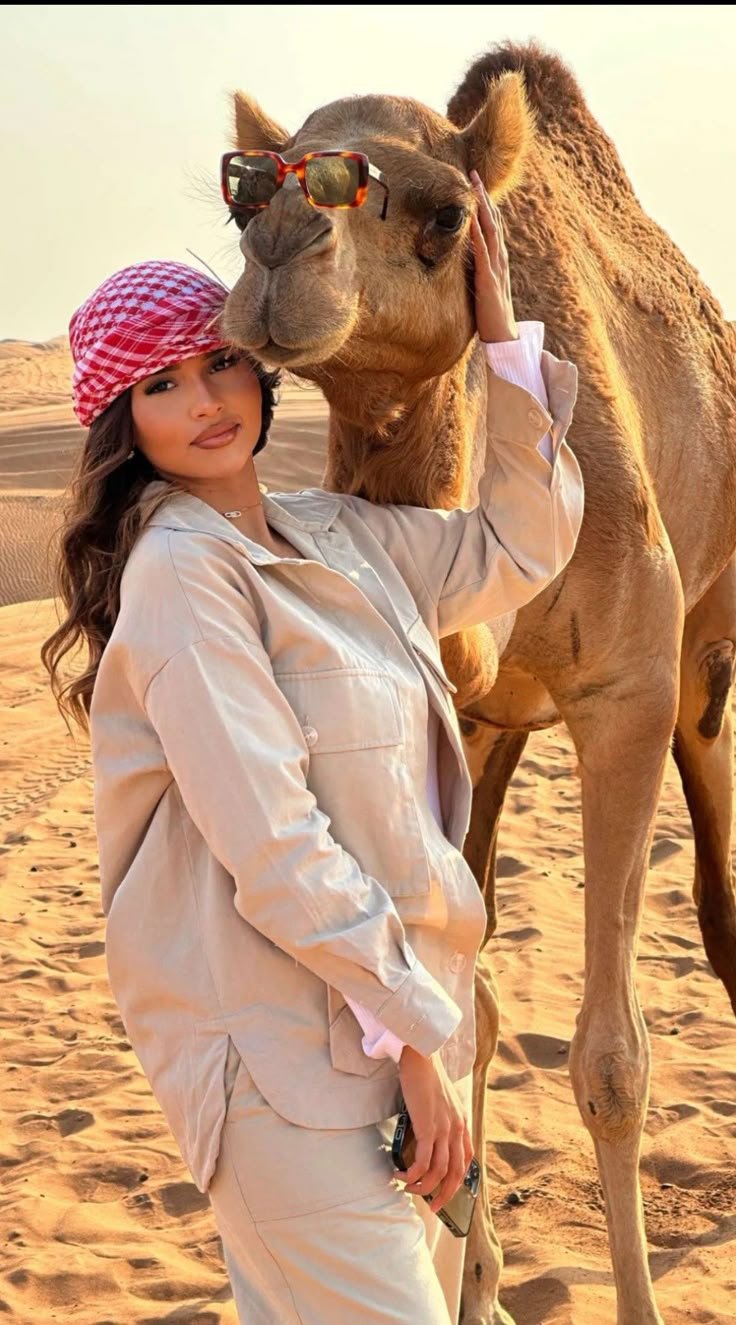
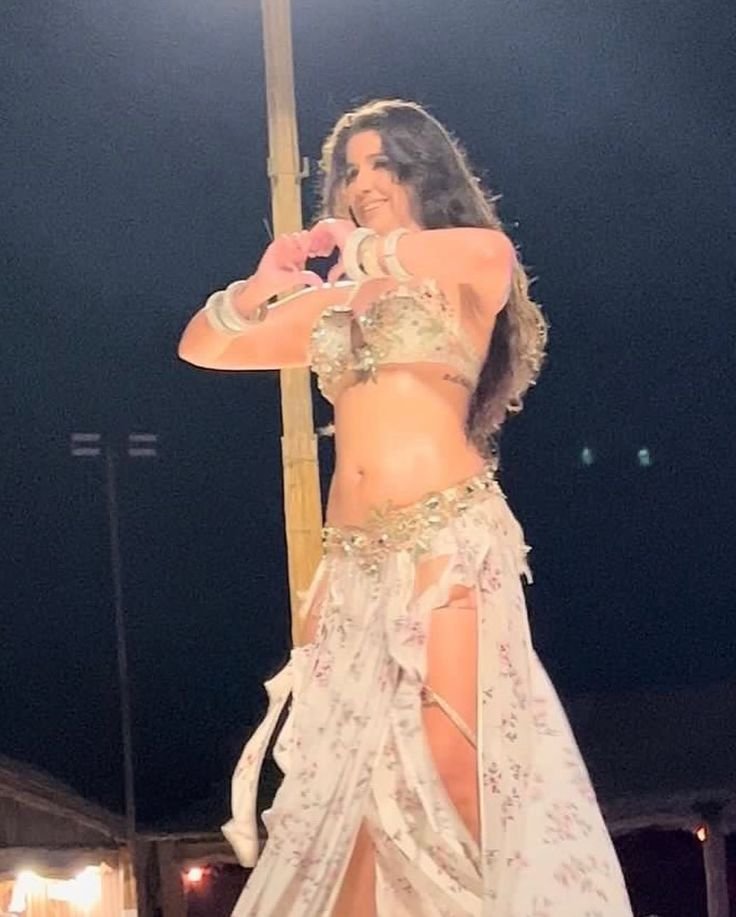
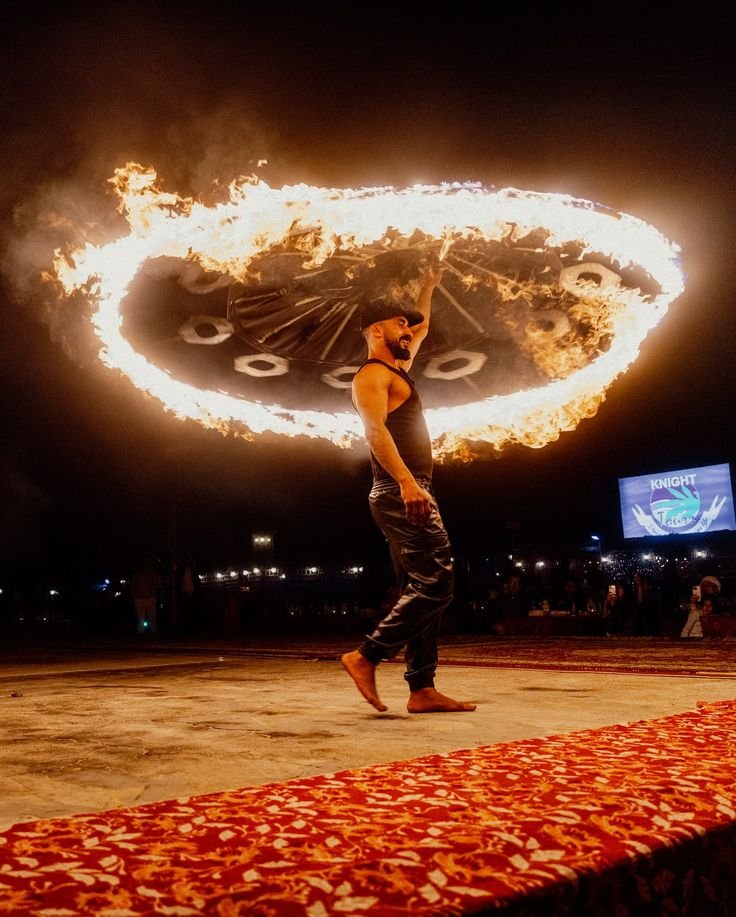
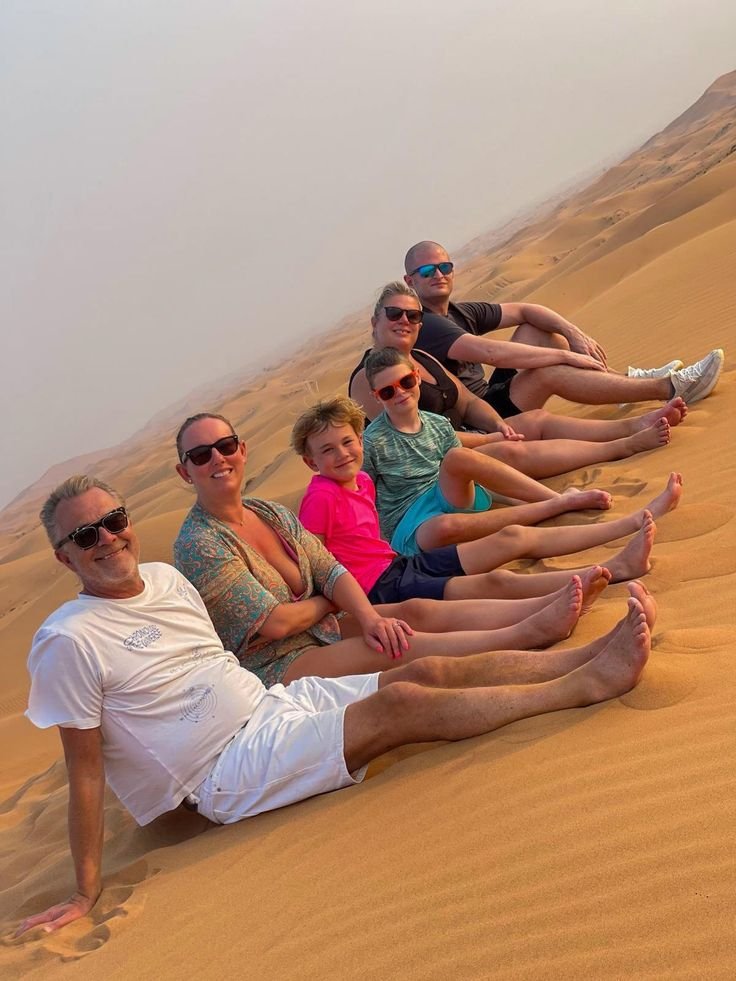
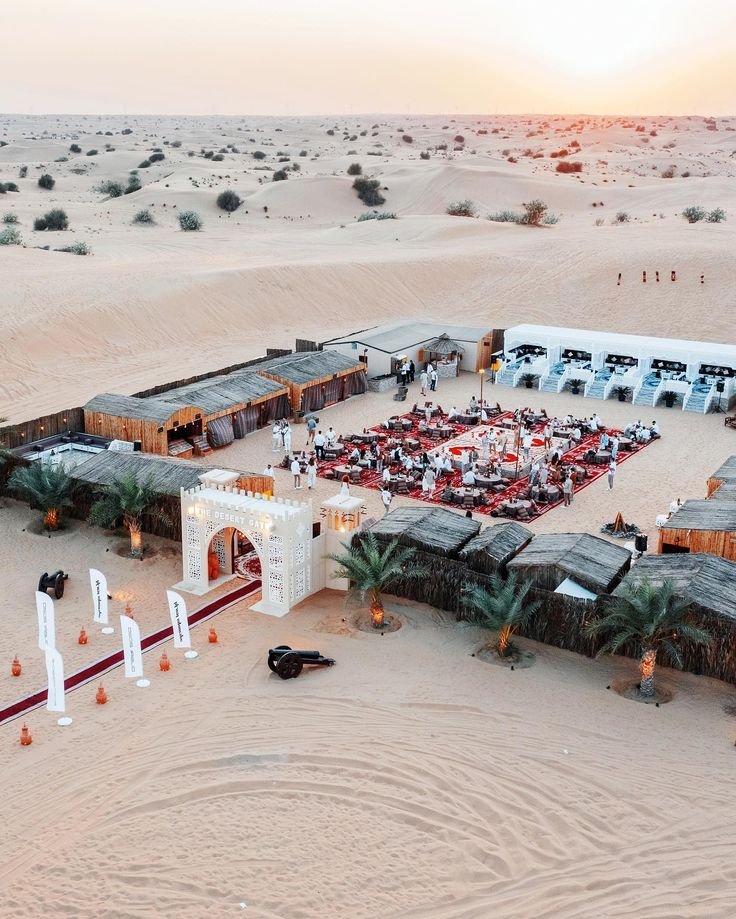
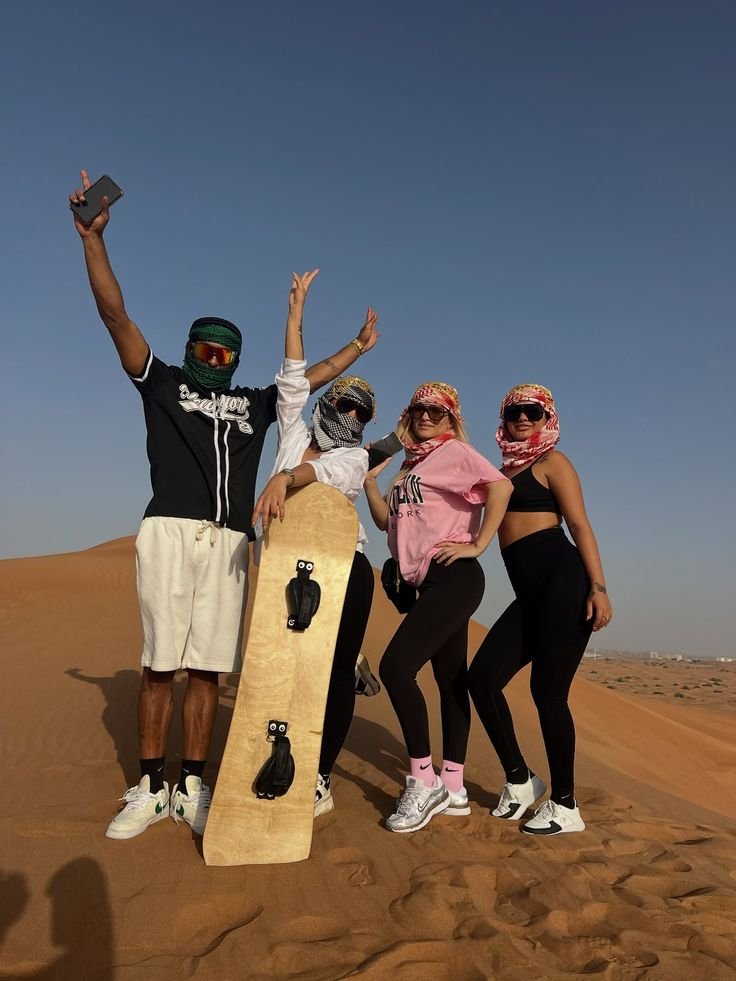
The only photo this page couldn’t show you is the one with you in it.
Ready for the dunes? Send us a message.
Pick your package above, or just tell us your date and guest count on WhatsApp — we’ll confirm your price, pickup time and meeting point within minutes.
Tonight from AED 35, pay on arrival
No card, no deposit.
💬 Hold My Seats on WhatsAppFree cancellation · DTCM licensed · 4.9★ from 1.5M+ guests