
Desert Safari Camp Dubai — the village that appears at dusk.
Every safari on this site ends at the same Bedouin-style camp on the Lahbab red dunes — fire pits, majlis rings, live shows, the BBQ kitchen and the lit activity dunes. This is the camp’s own page: the layout, the facilities, the show schedule, the etiquette, and how every package from AED 35 buys the same full evening inside it.
Dubai desert safari prices at a glance
Self-drive AED 35 · shared bus AED 50 · shared 4×4 AED 120 · private 4×4 AED 600 for up to 6. Every option includes dune bashing, a camel ride, sandboarding, the BBQ dinner and live shows. Compare every Dubai package, or build your safari below and send it on WhatsApp — pay on arrival.
The camp holds tables by manifest, not by luck — two minutes here sets yours.
Build Your Safari
Book in under 2 minutes — pay on arrival
Choose your package, tell us where to pick you up, and confirm on WhatsApp. No card, no deposit — your seats are held instantly.
Step 1 — Choose your package
Step 2 — Number of guests
Step 3 — Add-ons (optional)
Step 4 — Your details
You will drive to our Al Awir Road desert meeting point — free parking, GPS pin sent after booking.
One camp, thousands of evenings — these numbers were all counted at its gate.
Inside the camp — a walking tour of the desert’s busiest village
The bowl — why the camp is shaped like an amphitheatre
The camp sits in a natural sand bowl with the central stage at its heart and the majlis rings rising gently around it — a layout borrowed from how desert gatherings always arranged themselves and kept because it works: every cushion in the house has a sightline to the tanoura, the fire show and the drums, and the dune walls kill the wind while the sky stays fully open overhead. First-time guests walk the perimeter once at arrival by instinct; this section is that walk, written down.
Clockwise from the gate — every station named
The entrance gate feeds past the welcome station — dates, karak, the coffee-pour ritual — into the main bowl. Clockwise: the henna corner and photo props; the sheesha terrace on its own raised deck (AED 80 table service); the long buffet pavilion with grill line, hot line, salads and sweets; the majlis rings tiering down to the VIP front row; the stage; then the activity edge — camel circuit loading point, the lit sandboarding dune, and the quad track’s marshalled gateway just outside the fence. Washrooms — proper plumbed facilities, not festival boxes — sit discreetly behind the buffet pavilion, cleaned on rotation all evening.
The facilities file — the questions comfort asks first
Power and charging: available at the sheesha deck and service desk — bring a cable, ask nicely. Prayer space: a clean maintained musalla behind the majlis rings, qibla marked. Accessibility: compacted pathways ring the bowl, staff assist chairs over soft patches, and the flat-route file’s promises apply inside the fence too. First aid: stocked stations and trained crew, with the convoy radios linking to the highway in minutes. Lost property: legendary — the desk has reunited phones, rings and one passport with owners across three continents. Wifi: none, deliberately; the sky is the content.
The camp’s nightly programme — every show, timed and explained
Tanoura — the spinning storyteller
The evening’s first headliner: the tanoura dancer’s skirt — thirty-plus kilograms of embroidered, LED-threaded fabric — spinning continuously for a performance descended from Sufi tradition and staged with Egyptian showmanship. Watch the skirt separate into layers mid-spin; photograph at a slightly slow shutter and the colours wheel. Runs as dinner peaks, roughly 7:40pm.
The fire show — the night’s exclamation mark
Around 8:15, the bowl’s lights step down and the fire artist takes the sand: breathing, juggling and rope-spinning flame close enough to warm the front rows. It is the single most photographed minute of the evening and the reason the dessert table clears early. Safety is choreographed to DTCM event standards — the performer’s radius is marked, the crew stands by, and in years of nightly shows the only casualties have been camera exposures.
Drums, belly dance nights and the seasonal rotations
The drum troupe stitches the programme together and pulls guests into the finale circle nightly. Belly dance performances rotate on licensed evenings; Ramadan reshapes the programme respectfully around iftar with the fire show resting; National Day adds flags to everything that stands still. The schedule flexes with season and manifest, but the covenant holds at every tier: whatever plays tonight, every ticket in the bowl — thirty-five dirhams to six hundred — watches the same stage with the same rights to the front-circle finale.
Etiquette, seasons and the village’s working life — the rest of the camp file
Camp etiquette — five courtesies that mark the seasoned guest
Accept the welcome coffee with the right hand and the ritual completes itself. Ask before close-up photographs of performers and staff — the yes is nearly automatic and the asking is the point. Shoes off on the majlis rugs, sandals’ privilege at the edge. The finale drum circle is an invitation, not an ambush — join or applaud, both are correct. And rubbish finds bins, always; the camp sits inside a working desert whose gazelle the etiquette pages of this site have already introduced. Five habits, zero cost, and the crew’s regard — worth more than any upgrade — arrives by the second one.
The camp through the seasons
Winter is the postcard: jackets, fire pits at full audience, the year’s longest evenings under the clearest sky. Ramadan turns the bowl into the desert’s most atmospheric iftar venue. Summer runs the misting fans, shifts the crowd’s weight to the shaded rings and hands the mornings to the breakfast service. And on the calendar’s couple of rain nights, canvas drums overhead and the sand perfume rises — veterans book the next rain forecast on purpose. The village never closes; it just changes costume.
How a village appears at dusk — the working answer
The camp is permanent in bones — decking, kitchens, plumbing, the stage — but its life cycles daily: crew convoys arrive by 3pm, kitchens fire at four, lanterns light at six, the bowl fills at seven, and by midnight the same sand holds only chairs, embers and the night shift the after-dark page documents. Roughly forty people run a full evening — drivers, cooks, performers, marshals, the coordinator’s radio at the centre — most of them veterans of a decade, several of them the named drivers your confirmations promise. Guests meet a show; this paragraph introduces the machine, because a village that appears at dusk deserves credit for the disappearing act too.
One camp, thirty pages — the entity at the middle
Every road in this library — the packages, the pickups from three emirates, the gentle routes, the dawn slots, the dinner file — converges on the fence this page just walked you around. The camp is the cluster’s beating venue: the Lahbab page owns its sand, the dinner page owns its kitchen, the night page owns its sky, and this page owns the village itself. Book any tier from AED 35 and the gate opens tonight; the map above means you’ll arrive already knowing the way to everything — including, by long tradition, the karak.
Best camp for you — seating strategy, timings and the venue’s honest comparisons
Seat strategy — where to sit for what
The bowl seats by temperament. Front-row VIP majlis (AED 80 upgrade) owns the shows’ heat and detail — the tanoura’s skirt wind reaches row one. The mid-ring long tables are the social engine: forty nationalities, shared platters, the bus manifest’s parliament. The upper-ring cushions trade proximity for panorama — the whole bowl, the stage and the stars in one frame, the introvert’s and photographer’s correct answer. Families gravitate to the ring ends where wandering toddlers meet sand instead of traffic; couples take the fire-pit adjacencies that winter makes romantic by thermodynamics. Arrive by seven and the choice is genuinely yours; the crew seats intent, not rank.
Camp timings, tier by tier
Evening tiers fill the bowl 6:30–9pm; the night slot’s late pickups arrive into the lit village and stay past the star walk; the overnight keeps the embers and wakes to the breakfast service; the morning safari runs the camp’s calm daylight shift — activities and breakfast, shows resting until dusk. One venue, four clocks, every ticket from the locked sheet landing in the right one automatically: the package pages pick your hour, this page just promised you the address is constant.
Our camp versus the market’s — the venue audit
Apply the site’s standard honesty: the market’s budget camps strip to plastic chairs and a speaker; the heritage reserves’ camps add linen and falconry at ten times the ticket; the mid-market — where every operator claims to live — divides on exactly the details this page listed: plumbed washrooms or boxes, maintained musalla or none, marked fire-safety radius or improvisation, staff tenure or nightly strangers. Tour the gallery above against those tells, ask any operator this page’s facility questions, and the “best desert safari camp in Dubai” verdict writes itself the way all verdicts do on this site: from checkable details, at printed prices, with the karak — always — thrown in.
From caravanserai to camp — where the dusk village comes from, and the practical clock it keeps
The lineage the lanterns carry
The safari camp’s design brief is centuries old: the caravanserai — the courtyard inn spaced a day’s travel apart across the caravan world — offered exactly this bundle of fire, food, safety and company at the route’s edge. The Gulf’s version ran lighter — the seasonal camp, the majlis tent, the coffee protocol as security system — and tonight’s bowl at Lahbab is its licensed descendant: same functions, same sitting geometry, DTCM paperwork where the tribal introductions used to be. Guests keep sensing that the evening feels older than tourism; this paragraph is the receipt for that feeling.
The practical clock, printed once
Gates and welcome station from ~6:15pm on the evening tiers; buffet ~7–8:30; tanoura ~7:40; fire ~8:15; drums throughout; evening departures ~9; night-slot residence to ~11:30; overnight to sunrise breakfast; morning shift ~7–11am. Ramadan slides everything to iftar time; the coordinator’s confirmation carries any night’s exact rhythm. Print nothing — the WhatsApp thread remembers for you — but know the shape: the camp’s evening is a three-act structure, dinner between shows, sky as the encore, and no act has started early or hungry in a decade of manifests.
The gate promise
Thirty pages of this library end at one fence in the sand, so let the fence have the last locked promise: whatever ticket carried you — the thirty-five-dirham self-drive or the private dawn Hummer — the gate checks a name, not a tier; the bowl seats a guest, not a price; and the village that assembles at dusk has never once billed the firelight separately. That is the camp, complete. The message above holds tonight’s gate open; the desert, as ever, handles the rest.
Village mapped, shows timed, etiquette filed, lineage traced: the camp’s page — and with it, the whole thirty-page Dubai library’s final missing room — stands furnished. Dusk is at the usual hour. The gate knows your name as soon as the message does.
Five nights at the same camp — how differently one village hosts
The birthday takeover
A Hummer party of six, cake refrigerated since noon, candles produced at the drum finale by crew conspiracy — the bowl sings in eleven languages and the birthday guest learns that a desert village of strangers makes the loudest choir. Cost above the sheet: zero; the cake was theirs, the theatre came standard.
The honeymoon corner
VIP majlis, front-right where the fire show’s heat arrives first, photographer add-on shooting from the ring behind. The couple’s review mentioned the karak refills more than the choreography — the crew, reading intent as always, had simply kept them poured and undisturbed.
The school-night Sharjah family
In by seven off the short Maliha transfer, ring-end seating for the toddler radius, gone by nine with homework intact — the camp’s quietest power is how gracefully it hosts the partial evening. Nobody official noticed they left early; the sand never tells.
The solo traveller’s long table
One bus seat, mid-ring, and by dessert a WhatsApp group with strangers from four continents that — per the reviews this actually happens in — still posts sunset photos years later. The camp’s architecture did that; the AED 50 was almost incidental.
The overnight’s second village
At eleven the day village disassembles and the night one appears for the tent guests: embers, blankets, the star walk’s hush, sunrise as the finale the evening crowd never sees. Same fence, second show, AED 450 — the camp’s own encore, and the only playbook here that requires booking ahead every winter weekend without exception.
What to bring to the camp — the two-line packing answer
Almost nothing: the vehicle carries water, the village carries dinner, entertainment and first aid, and the packing pages of this library already dressed you for the season. Bring the phone, the jacket the month demands, closed shoes for the sand between stations — and leave room in the evening for the one thing no list supplies, which the bowl distributes free at the drum finale to anyone still pretending they weren’t going to join in.
The review the camp keeps earning
Across ten years the most repeated review line is not about any show — it is some version of “we stayed later than we planned.” Venues cannot fake that metric; it is measured in departure convoys held five friendly minutes and in night-slot upgrades decided on the spot at the fire. The village that appears at dusk earns its overtime nightly, and this page’s whole job was to show you why before you feel it happen to your own schedule. Consider yourself warned, warmly.
The empty bowl at noon — a closing image
Drive past at midday and the venue barely exists: rugs rolled, stage bare, the bowl just another shadowed hollow in the red field, indistinguishable from the desert that hosted caravans here before anyone sold tickets. That daily vanishing is the camp’s deepest credential — it borrows the desert nightly and returns it each dawn, which is exactly the terms the desert has always offered its guests. By six tonight the lanterns will argue otherwise, gloriously, and both truths will be correct at once. Come see the argument settled in person; the gate takes names until the last convoy rolls.
Thirty pages, one gate, nightly curtain: the Dubai desert library closes its construction here and opens for guests everywhere it always did — at dusk, on the sand, name checked, karak poured, promises kept exactly as printed. Welcome to the village. You know your way around now.
Directions, one last time
East on the E44 or south down Maliha Road, tyres down at the sand line, ten guided minutes into the red field — or simpler still: book any package and the address becomes the driver’s problem, which was always the finest amenity the village offered. The bowl fills at seven. Save this page for the walking tour; save the button for tonight.
And if one detail from the whole tour survives your visit, let it be the welcome station’s: dates offered before names asked — the village’s founding transaction, unchanged since the caravans, still opening every evening at the gate. Everything else on this page is furniture around that gesture.
Gate open, lanterns lit, tour concluded: see you inside the fence tonight — the village saves its best introductions for the guests who arrive already curious, and after this page, that is officially you.
Postscript for the planners: the camp needs nothing booked separately, ever — one package, one message, one gate. Simplicity was the village’s oldest amenity too.
Lanterns up. Names ready. The village keeps its hours; keep yours tonight.
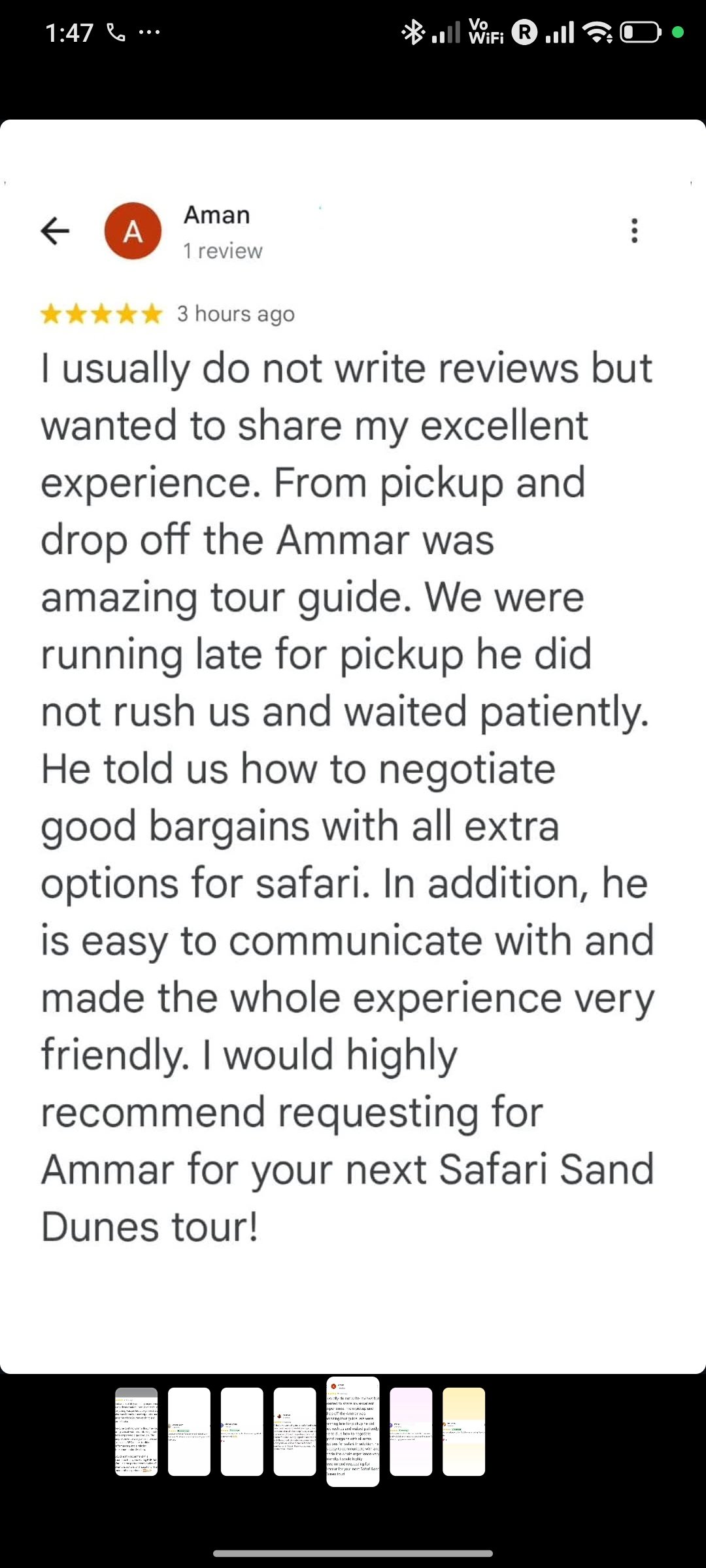
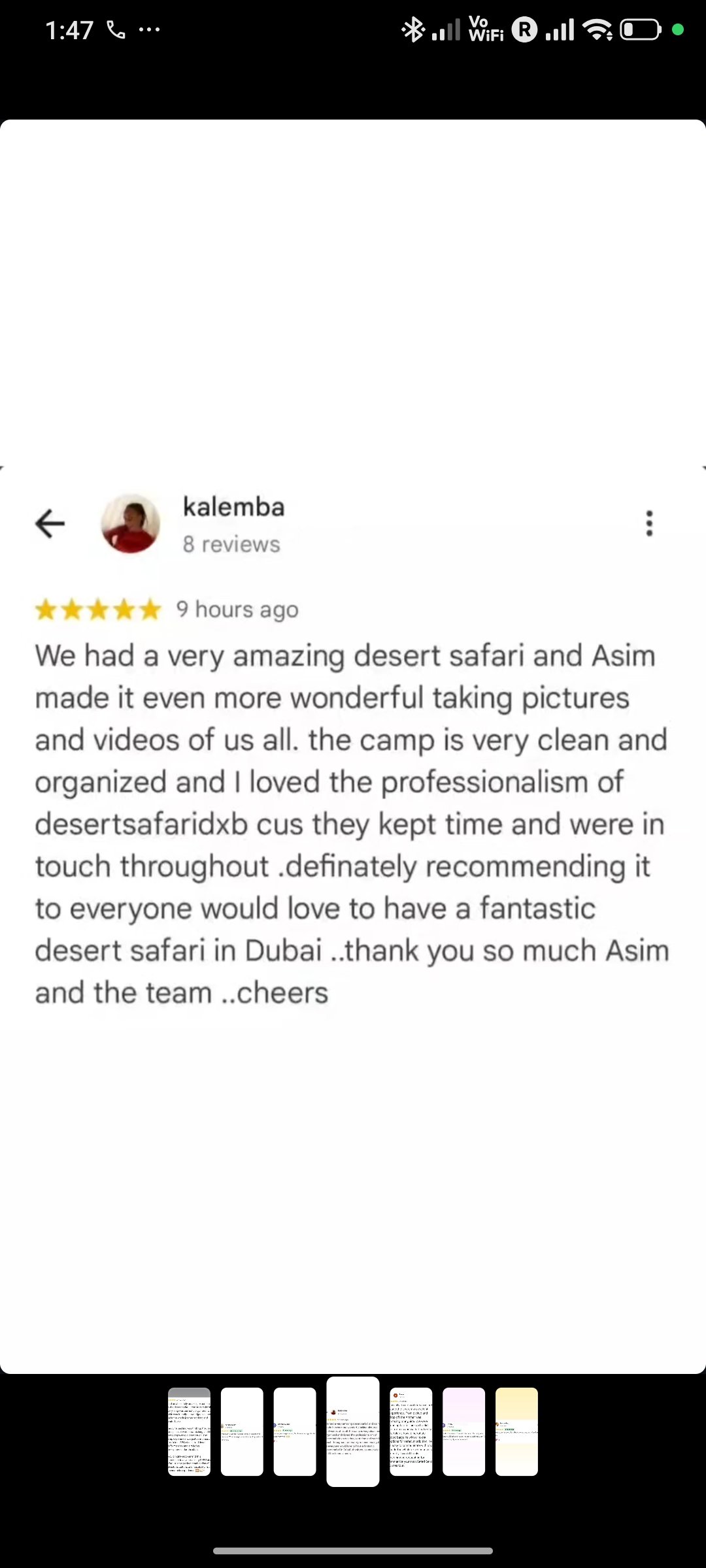
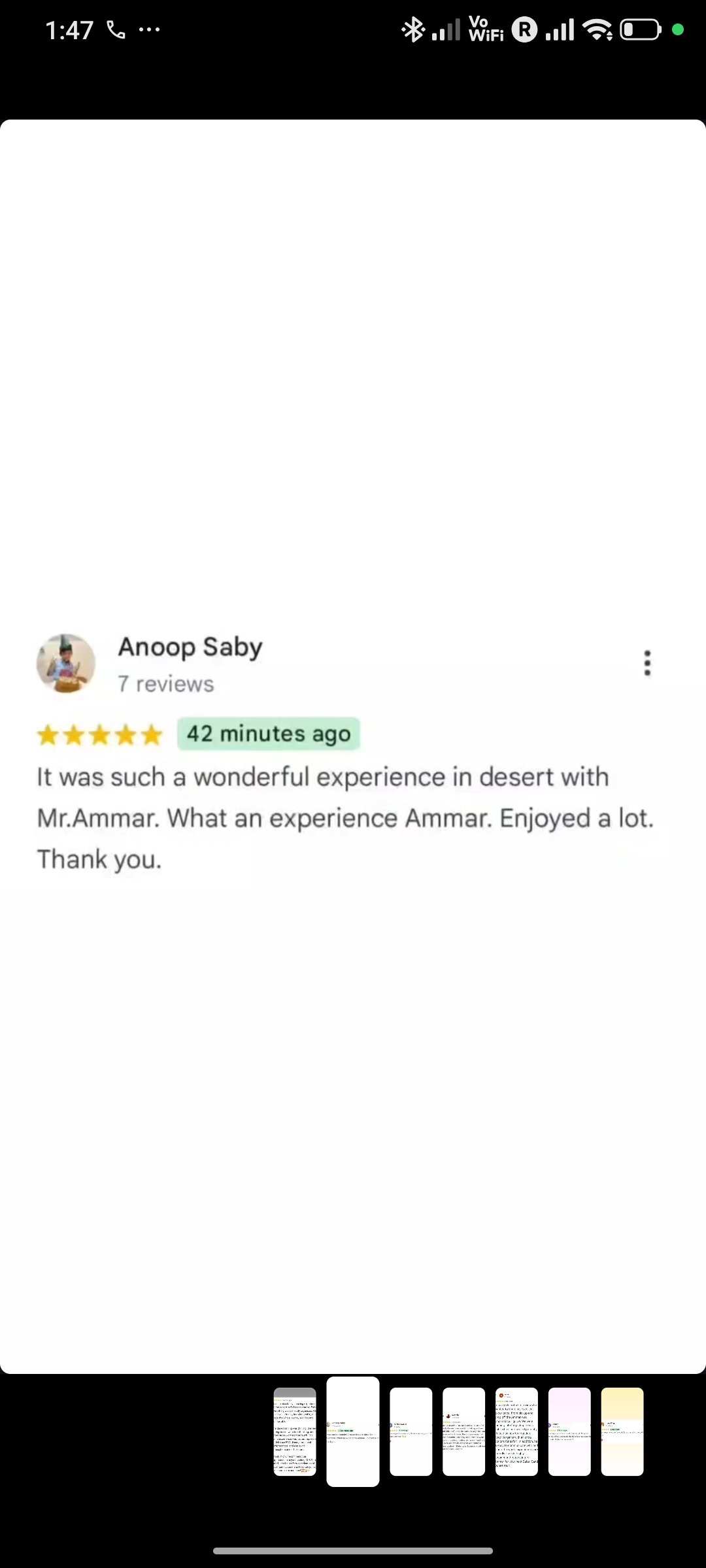
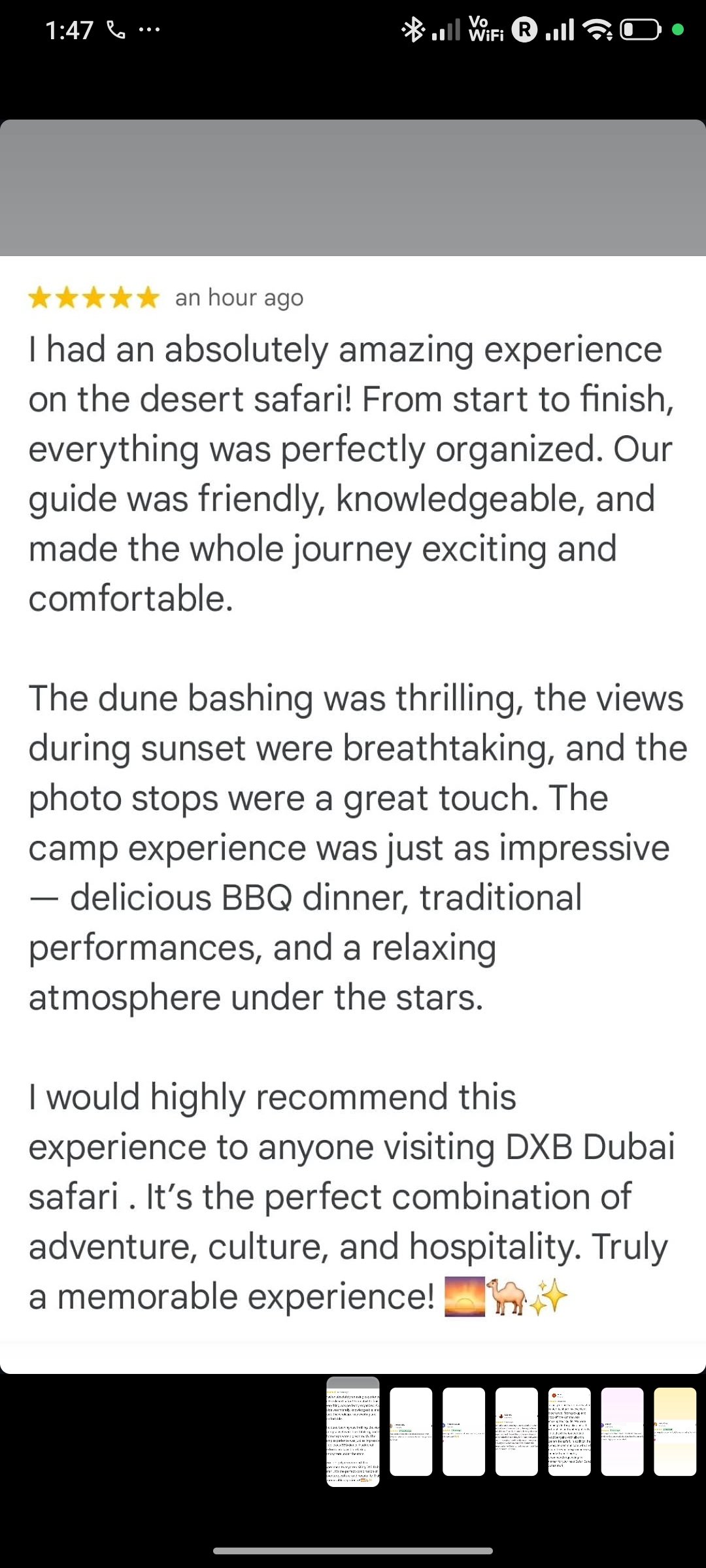
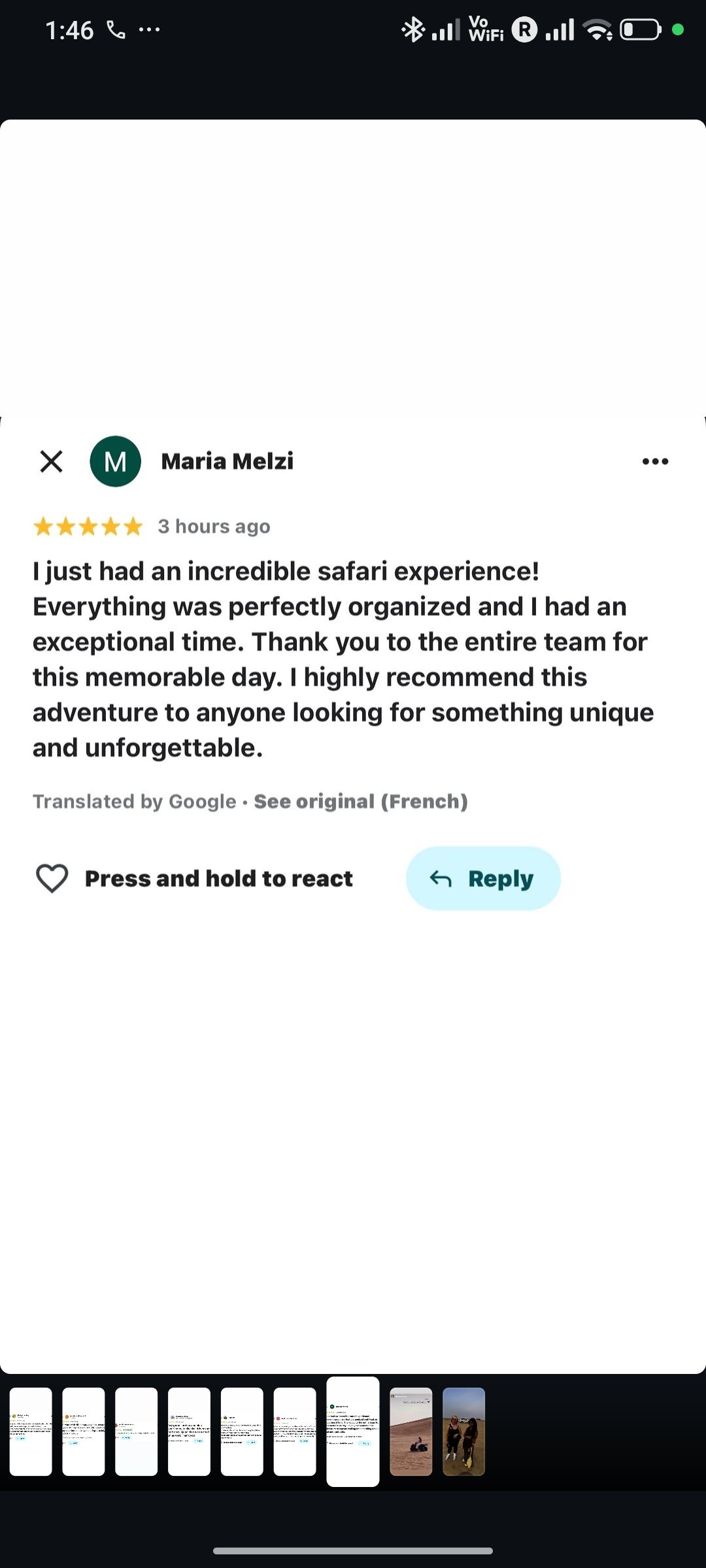
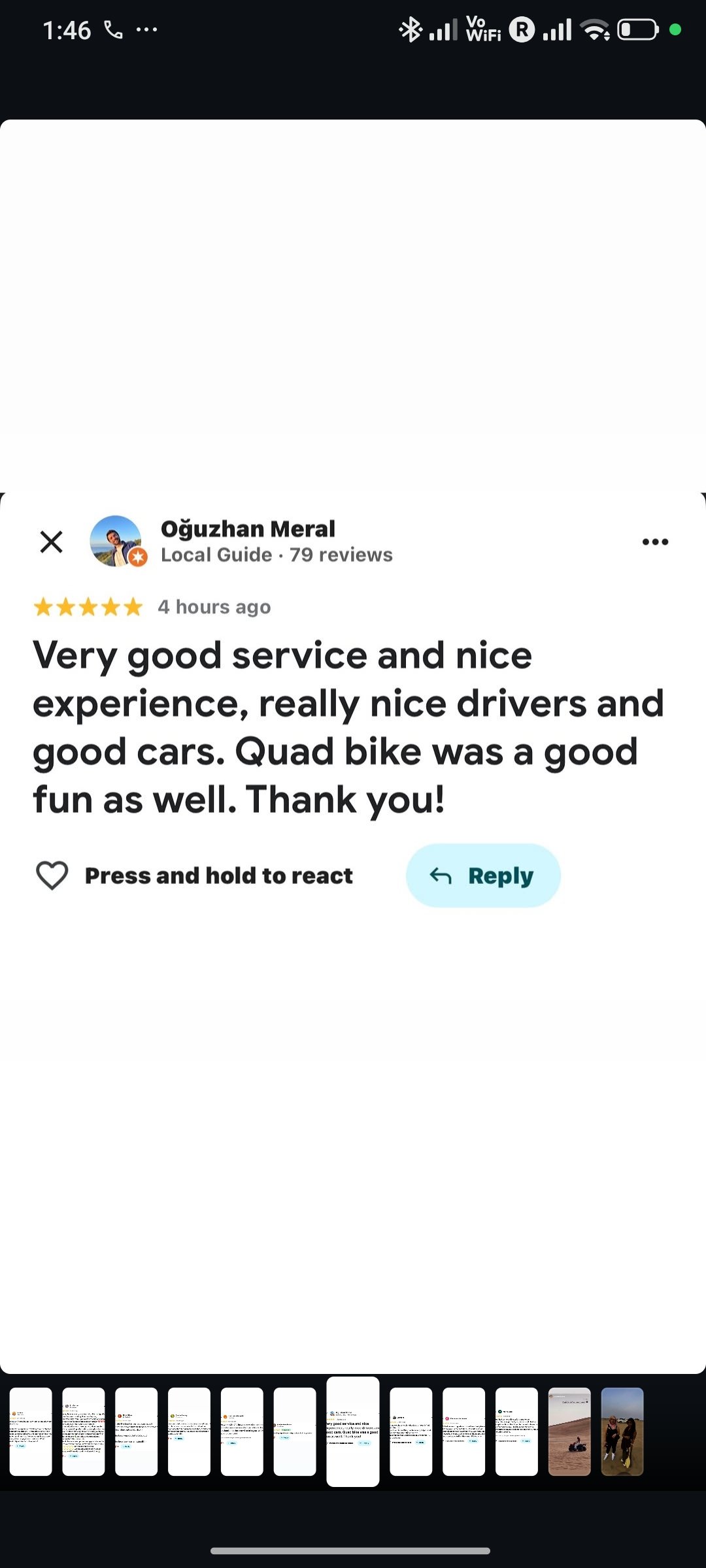
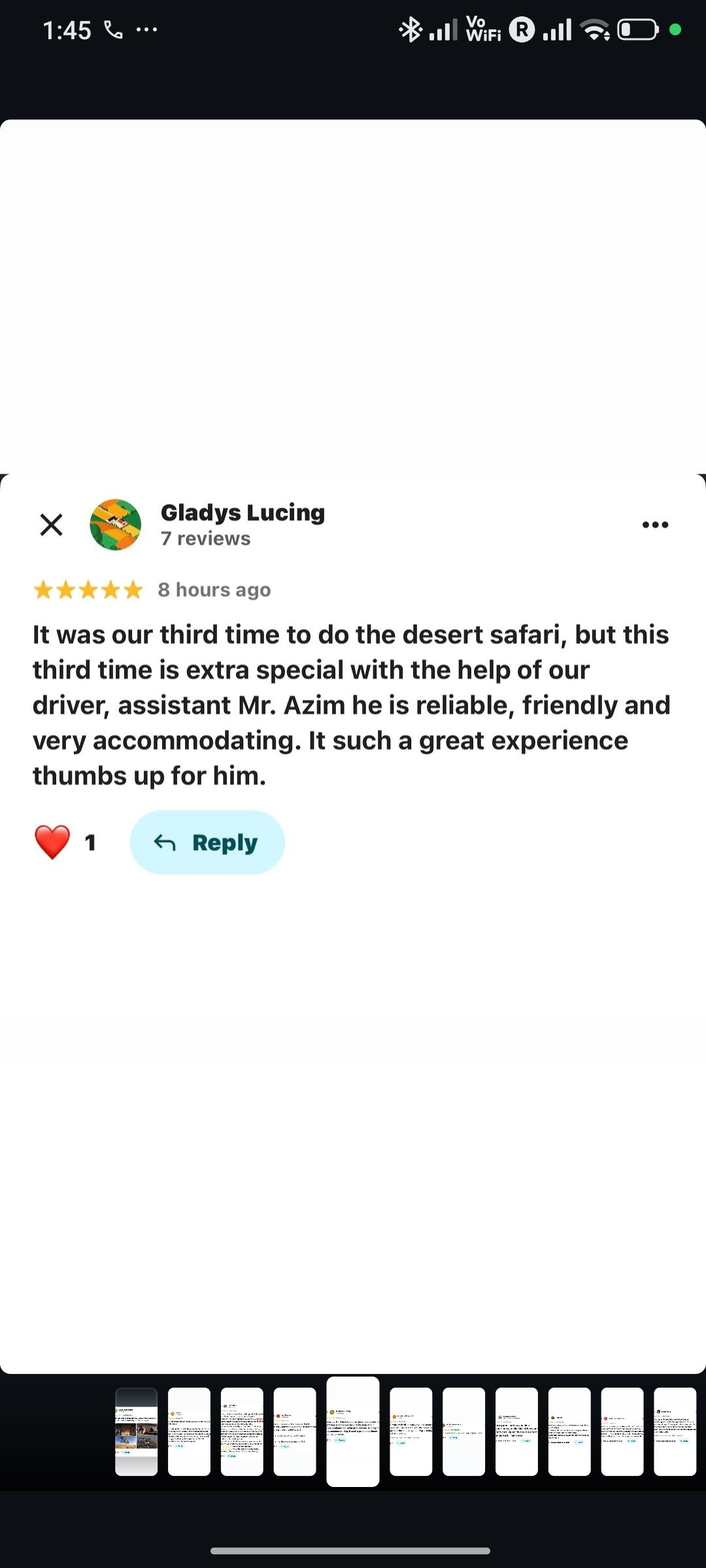
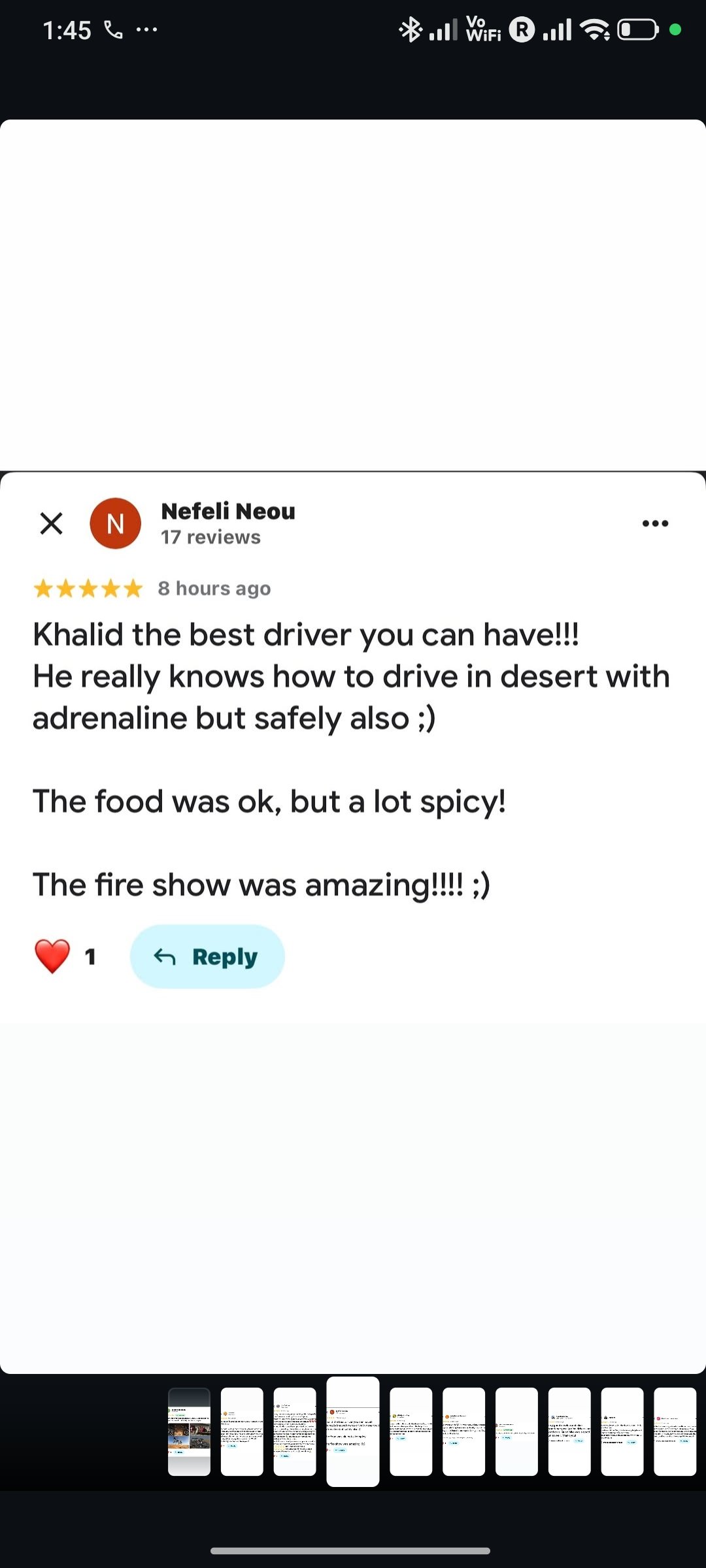
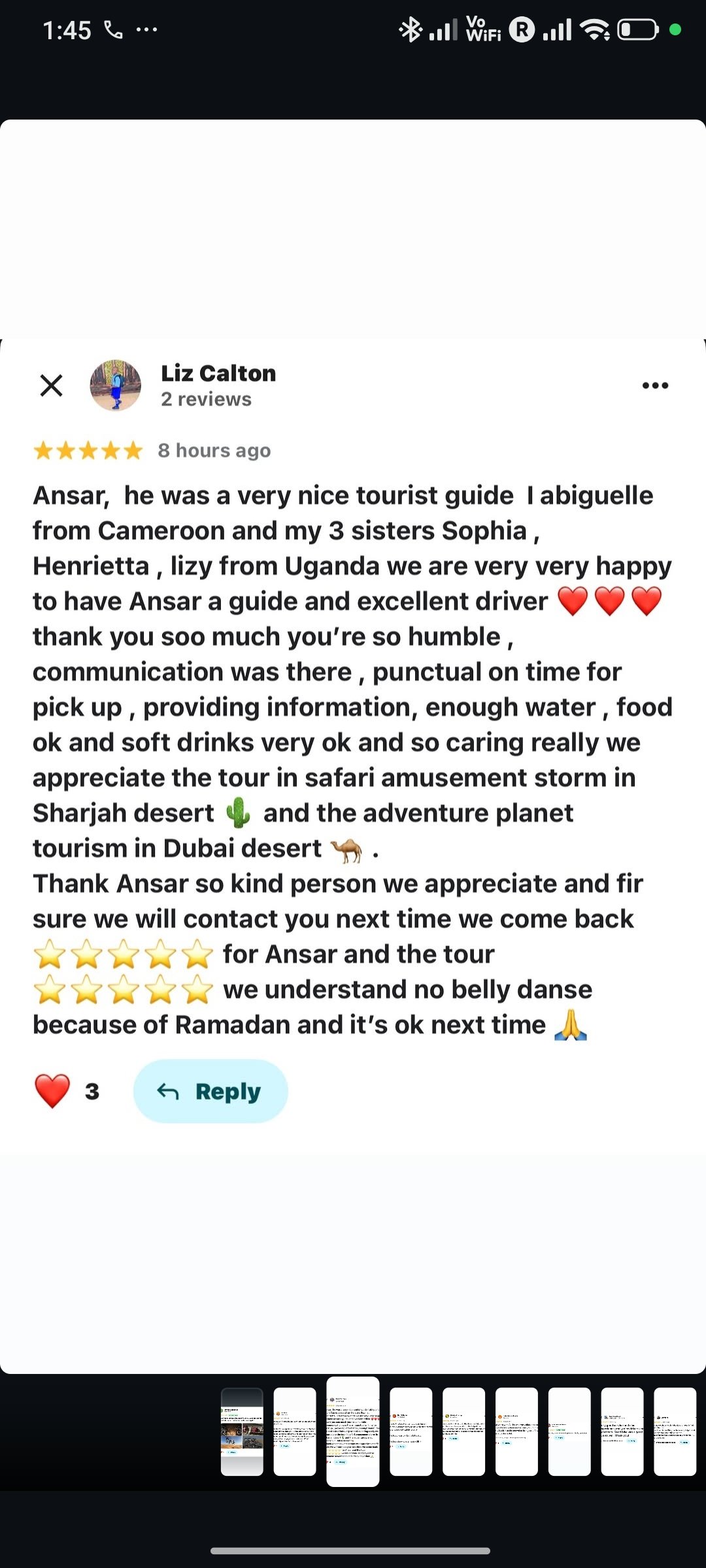
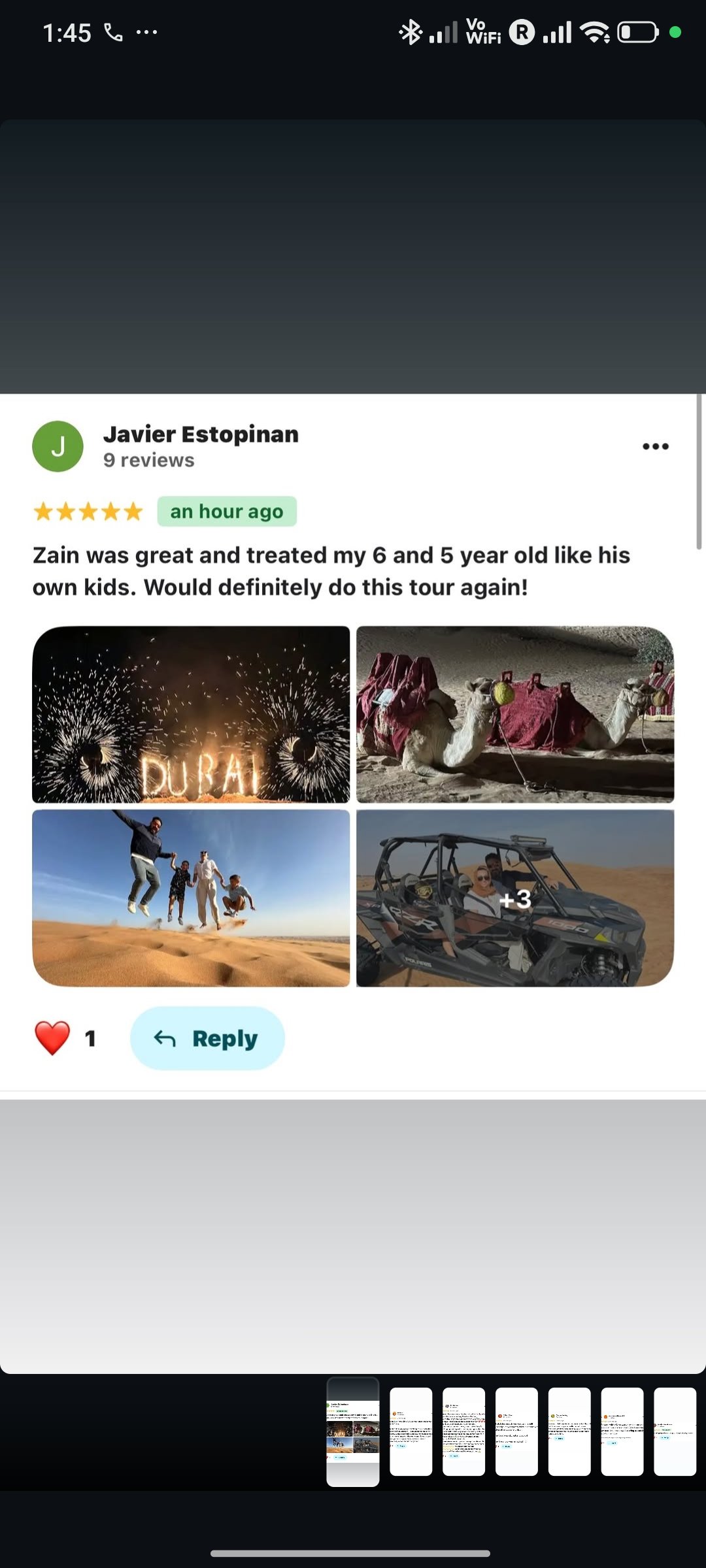
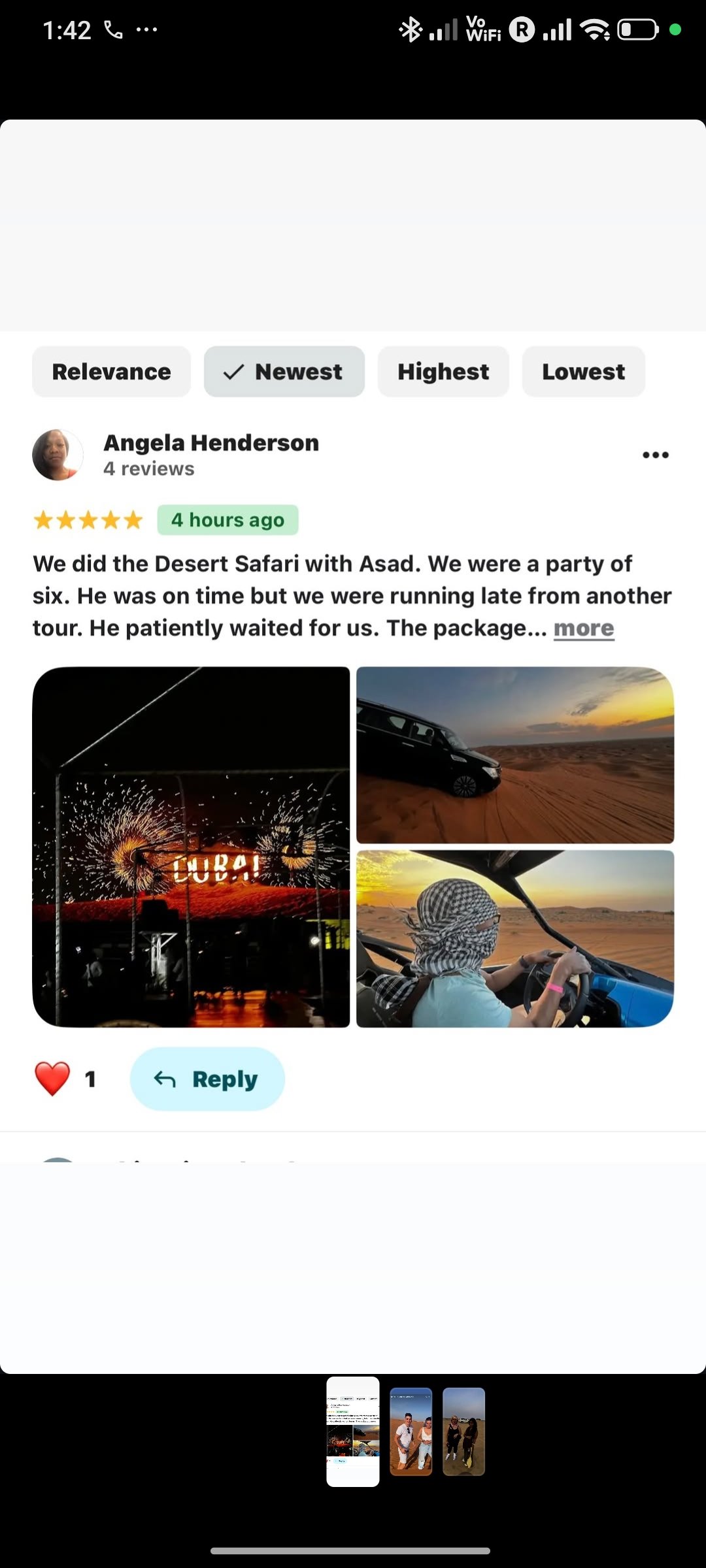
Real desert safari reviews from our guests
Unedited video reviews and Instagram stories from travellers who joined our Abu Dhabi desert safari — real people, real memories in the Al Khatim dunes.
 📷
 📷
 📷
 📷
 📷
 📷
 📷
 📷
 📷
 📷
 📷
 📷
Desert safari camp Dubai — frequently asked questions
A Bedouin-style village in a natural sand bowl at Lahbab: central stage, tiered majlis rings, fire pits, the BBQ buffet pavilion, henna and sheesha corners, lit sandboarding dune, camel circuit and plumbed washrooms. Every package from AED 35 ends the evening inside it.
Tanoura (the LED-skirted spinning performance, ~7:40pm), the fire show (~8:15pm — the night’s most photographed minute), the drum troupe throughout, and belly dance on rotating licensed evenings. Ramadan adjusts the programme respectfully; every tier watches the same stage.
Yes — plumbed, maintained washrooms behind the buffet pavilion, cleaned on rotation all evening. Not festival boxes.
Yes — a clean maintained musalla behind the majlis rings, qibla marked.
Yes with assistance — compacted pathways ring the bowl, staff help over soft patches, and the flat-route transfer option covers the journey. Tell us the chair type when booking and the seating plan adjusts.
There is no separate camp ticket — entry is inside every safari package, from AED 35 self-drive and AED 50 bus to the private tiers. The tier changes your ride and seating, never the camp programme.
Yes — at the sheesha deck and the service desk; bring your cable. There is no wifi, deliberately: the sky is the content.
Accept the welcome coffee with the right hand, ask before close-up photos of staff and performers, shoes off on majlis rugs, join or applaud the drum-circle finale, and leave rubbish in bins — the camp sits in a working desert with resident wildlife.
The camp fills from ~6:30pm, dinner lines open ~7pm, tanoura ~7:40, fire show ~8:15, drum finale after — evening convoys depart ~9pm, the night slot stays past the star walk, and the overnight guests keep the embers.
A crew of roughly forty nightly — drivers, cooks, performers, marshals and the coordinator — most of them decade-long veterans, several of them the named drivers your booking confirmation promises. DTCM standards govern the lot.
The village assembles itself at dusk either way — the only variable is your chair.
Ready for the dunes? Send us a message.
Pick your package above, or just tell us your date and guest count on WhatsApp — we’ll confirm your price, pickup time and meeting point within minutes.
💬 Book on WhatsApp — Pay on ArrivalTonight from AED 35, pay on arrival
No card, no deposit.