

What Is a Majlis?The UNESCO heritage institution behind our VIP majlis add-on — not just a seating upgrade
Searching for what a majlis actually is? Most “VIP majlis” pages call it “a place of opulence” and move straight to the buffet menu. We will not do that. The majlis is a genuine UNESCO-recognised institution, inscribed in 2015, that has shaped how Emiratis gather, resolve disputes and pass down history for generations — including the UAE’s Founding Father, who held his own open majlis throughout his life. This guide covers the real heritage behind the name, and how our VIP majlis add-on, from AED 80, connects to it. Standard safari from AED 40.
Desert safari from AED 40 · Al Khatim & Al Khaznah desert · ~45 min from the city · pay on arrival
The majlis, at a glance
Desert safari prices at a glance
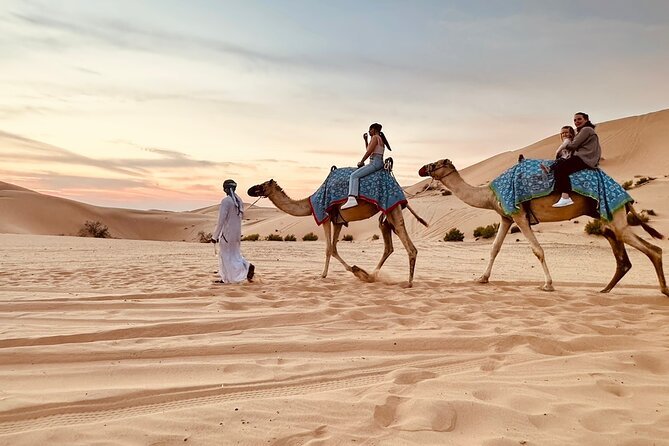
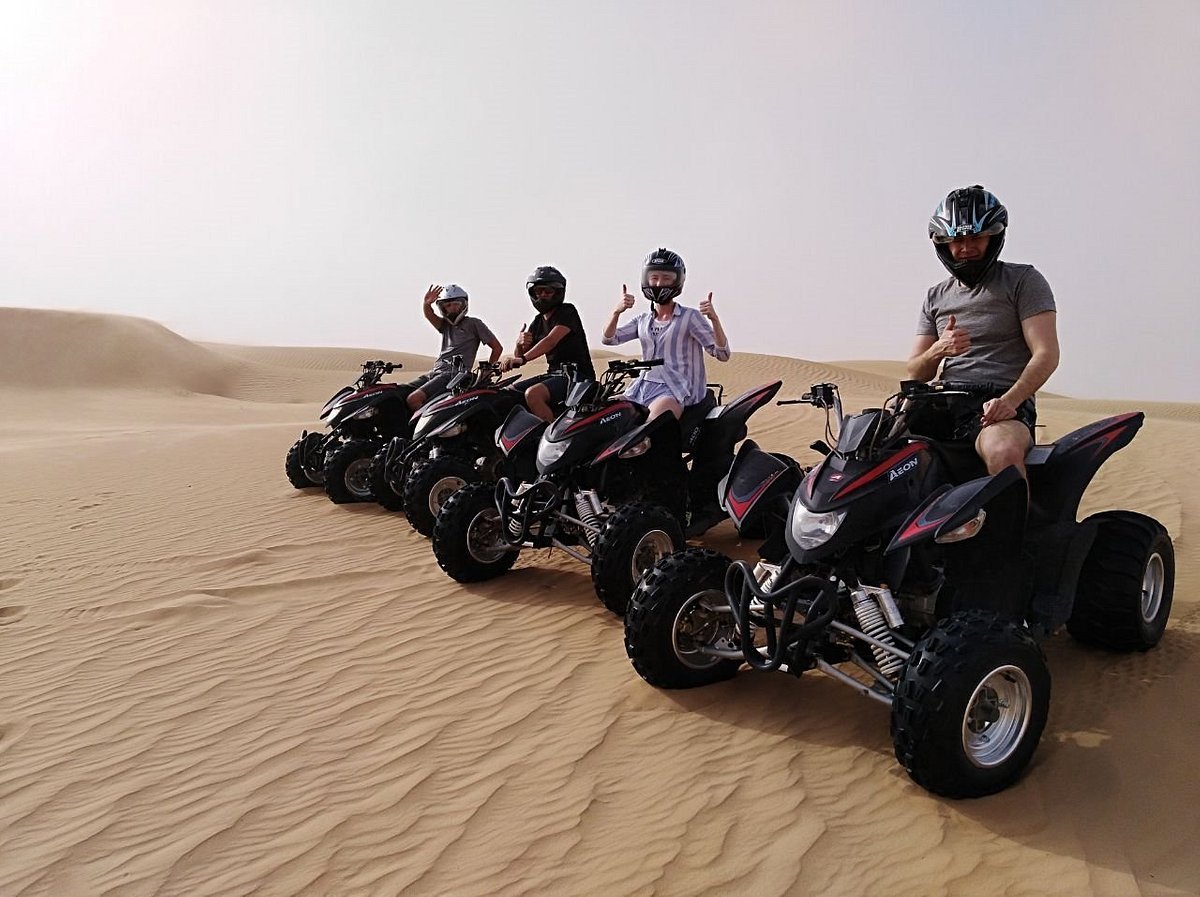
Self-drive AED 40 · shared bus AED 60 · shared 4×4 AED 150 · private Land Cruiser AED 700 for up to 6. Every option includes dune bashing, a camel ride, sandboarding, the BBQ dinner and live shows. Compare every package, or build your safari below and send it on WhatsApp — pay on arrival.
Pick a package, add your extras, send on WhatsApp
Choose your base safari, tap the add-ons you want, and we’ll have your custom total ready. Your inquiry goes straight to our WhatsApp — we reply with availability and pickup details.
Your Safari
Prices per the option’s unit. Final total confirmed on WhatsApp.
No online payment. We confirm availability, pickup time and final price by WhatsApp on +971 50 414 6025.
What is a majlis, exactly
A place of sitting, from the Arabic root jalasa — a dedicated space for hospitality, dialogue and resolving disputes, built for conversation, not spectacle.
Real geology, not guesswork
Our dunes are scientifically surveyed linear (seif) dunes, not a vague “Arabian desert” description — verified facts about the exact terrain you will be driving across.
Sized for thrilling dune bashing
At 20 to 50 metres, our local dunes are tall enough for a genuinely exciting 4×4 climb, without needing the multi-hour trip a 300-metre Liwa mega-dune demands.
See the science for yourself
Climb a dune at sunset, watch the colour shift to deep amber, and feel the texture of sand that has been shaped by wind for tens of thousands of years.
The Bedouin desert majlis
An open fire or a Bayt Al-She’r, the goat-hair tent, where elders settled disputes and passed down stories to the children present.
⭐ The majlis, at a glance
Search “VIP majlis desert safari” and you will find page after page calling it an “opulent refuge” or a “royal experience,” then moving straight to the buffet menu. None of them mention that the majlis is a genuine UNESCO-recognised institution, inscribed in 2015, central to how Emiratis have gathered, resolved disputes and passed down history for generations. This guide covers the real heritage behind the name — the etymology, the Bedouin desert majlis, the UNESCO listing, and a UAE Founding Father who held his own open majlis throughout his life — and how our VIP majlis add-on, AED 80 per seat, connects to it.
📍 What is a majlis, exactly
Majlis comes from the Arabic root jalasa, meaning to sit, and translates literally to “a place of sitting.” But the word carries far more weight than furniture: a majlis is a dedicated space, indoor or outdoor, where community members gather to discuss local issues, exchange news, receive guests, resolve disputes and socialise — typically a space with carpets on the floor and cushions against the wall, built for conversation rather than spectacle.
🏜️ The Bedouin desert majlis
In the desert specifically, majlis gatherings traditionally took one of two forms: an open-air circle around a fire, or a Bayt Al-She’r, literally a “house of hair,” the goat-hair tent that served as the Bedouin’s mobile home and meeting space alike. Inside, elders and guests discussed daily affairs, settled disputes, and passed down folk stories, songs and Nabati poetry to the children present — who absorbed the knowledge informally, simply by being allowed to sit and listen. There was rarely a formal lesson involved; presence itself was the curriculum, and a child who sat quietly long enough eventually understood the unwritten rules of the gathering simply by watching them play out, year after year.
🏆 UNESCO recognition, 2015
The majlis was inscribed on UNESCO’s Representative List of the Intangible Cultural Heritage of Humanity in 2015, in a joint nomination led by the UAE alongside Saudi Arabia, Oman and Qatar. UNESCO’s own listing specifically credits the tradition with playing an important role in transmitting oral heritage — recognition that this is not a tourist construct, but a genuinely shared institution across the Arabian Peninsula, known by different names in different places: Majlis in Saudi Arabia, Barza in the UAE specifically, Al Sabla in Oman, Diwaniya in Kuwait. That a single multinational nomination could represent four distinct countries under one shared institution says something about how deeply rooted the underlying practice is, regardless of which local name a particular community happens to use for it.
☕ The Muqahwi and the coffee ritual
In an important majlis, one person traditionally held a specific role: the Muqahwi, responsible for preparing and serving Arabic coffee, often assisted by the youngest members present. This formalised role reflects just how central coffee service was, and still is, to majlis hospitality — the same tradition echoed today whenever qahwa and dates are offered to guests at the start of an evening, including at our own camp. Assigning a dedicated role to something as simple as pouring coffee tells you how seriously hospitality itself was treated — not an afterthought squeezed in before the real conversation, but part of the ritual from the very first cup.
👑 Sheikh Zayed’s open majlis
The UAE’s Founding Father, the late Sheikh Zayed bin Sultan Al Nahyan, maintained an open-majlis policy throughout his life, where ordinary members of the public could come and speak with him directly. It was a genuine continuation of the traditional majlis spirit — accessible, dialogue-based, not reserved for the elite — and successive UAE leadership has maintained the same open-door approach since, a detail that says something real about how this institution shaped modern governance, not just historic hospitality.
🏛️ From desert tent to national council
The same root that gives us “majlis” also names the UAE’s Federal National Council, commonly called Al Majlis — the country’s consultative parliamentary body. The Arab proverb “Al Majalis Madaris,” meaning “the majalis are schools,” captures why this matters: a tradition of informal learning and consultation, once held around a desert fire, now sits at the heart of how the modern UAE consults and governs. Few cultural institutions trace that direct a line from tent to parliament. It is a genuinely rare thread to follow: most countries’ modern political institutions bear little obvious resemblance to their ancestral, informal roots, while the UAE’s still carries the same name and, in spirit, much of the same purpose.
⚖️ Majlis fluff vs majlis history
Read enough “VIP majlis desert safari” pages and the pattern repeats: opulent, royal, epitome of elegance, redefines the desert experience. What is consistently missing is the actual heritage — the UNESCO listing, the etymology, the Bedouin tent connection, the Muqahwi’s coffee role, Sheikh Zayed’s open-door policy. We would rather you know what you are actually paying AED 80 for: a genuine nod to a UNESCO-recognised institution, not just a curtain pulled around a few extra cushions.
👩 The women’s majlis
Women have traditionally held their own majlis gatherings, sometimes with a particularly academic or literary character, distinct from the men’s majlis but serving the same underlying purpose: a dedicated space for community, dialogue and the exchange of knowledge. It is a detail most tourist-facing content leaves out entirely, but one that rounds out a fuller picture of how central this institution has been across Emirati society, not just to one half of it. Both spaces, run in parallel rather than in competition, point to the same underlying value the broader tradition was built around: that a community functions better when there is somewhere dedicated to actually talking to one another.
✅ Why this changes what AED 80 buys you
It would be easy to sell VIP majlis as just a curtained-off seating upgrade, and most operators do exactly that. Knowing the heritage changes the framing: you are paying for a small, genuine echo of a centuries-old institution of hospitality and dialogue, one that shaped governance as much as gatherings. That context costs nothing extra to know, and it is the difference between a vague luxury label and an upgrade with a real story behind it. It is a small thing to ask about wherever you book, not just with us.
🏜️ Add VIP majlis to your safari
Select VIP majlis as an add-on in the builder below when choosing your package, or mention it on WhatsApp when you book. We confirm availability and final price, with no online payment, just pay on arrival.
One tradition, four names
The same institution, recognised together, called differently in each country.
The 2015 UNESCO listing covered the shared tradition across all four nations at once.
- 🇦🇪Barza — UAEThe specific Emirati term, alongside the wider Arabic majlis.
- 🇸🇦Majlis — Saudi ArabiaThe most widely recognised regional name for the same tradition.
- 🇴🇲Al Sabla — OmanJoint nomination partner, same underlying institution of hospitality.
The Majlis — quick facts
Here are the quick facts on the majlis tradition and its heritage, plus what our standard safari already includes. We provide unlimited water, washrooms, and Arabic costumes for photos, all at our camp among the real linear dunes of Al Khatim & Al Khaznah — dune bashing, camel ride, sandboarding, BBQ dinner and live shows.
Landscape, heritage & wildlife
🏜️ The desert landscape
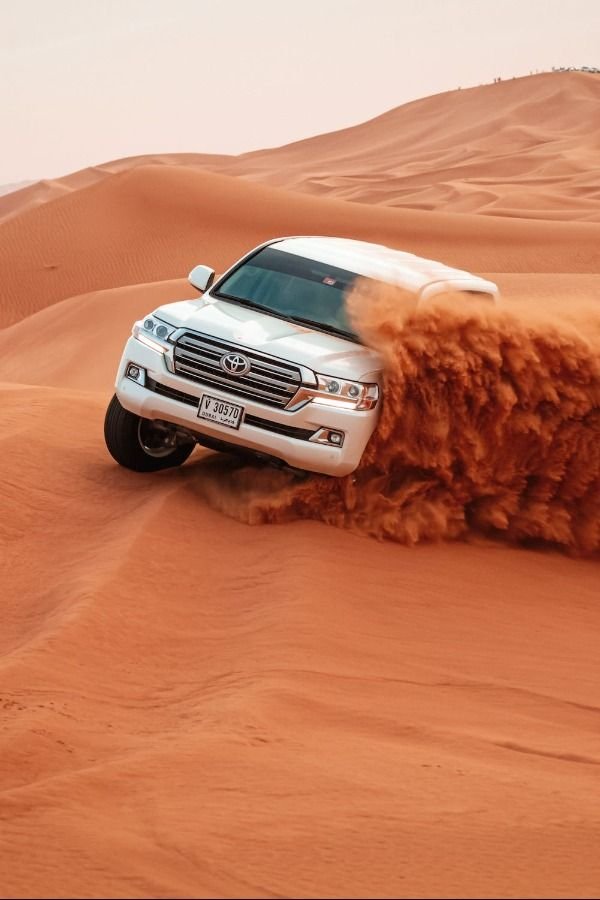
The majlis tradition explored on this page belongs to a real, physical desert: the Al Khatim and Al Khaznah region, wide erg dunes shaped over generations by the area’s seasonal shamal winds, around 45 minutes south-east of Abu Dhabi. Iron-oxide gives the sand its warm ochre tone, deepening to copper and amber tones at sunset — the same backdrop a Bayt Al-She’r gathering would once have stood against. October through April brings the most comfortable conditions, with daytime temperatures of 22°C to 30°C and clear winter nights settling to a crisp 15°C.
🏕️ Bedouin heritage
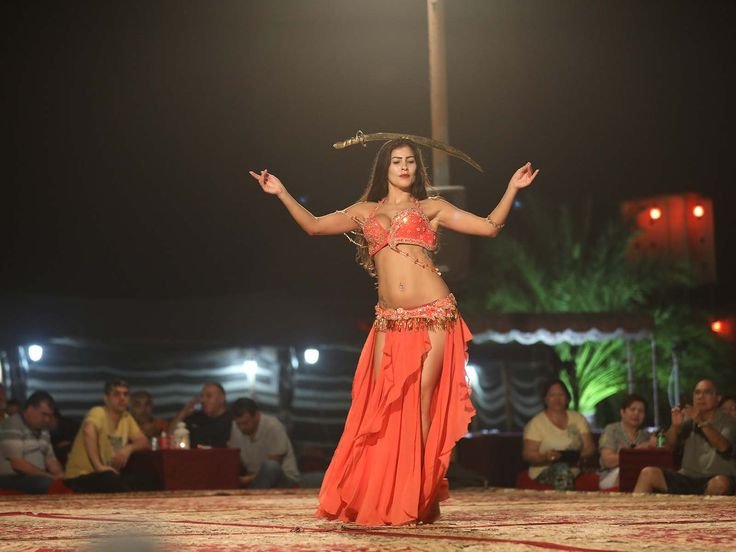
The majlis was never separate from the rest of Bedouin desert life — it sat alongside navigating this exact terrain by camel and starlight, and the daily ritual of qahwa, cardamom-spiced Arabic coffee, and dates that opened every gathering. Our camp keeps the wider tradition alive too, with henna art, Arabic costume photos, and live Tanoura and belly-dance performances alongside our VIP majlis add-on, connecting several strands of Emirati heritage in one evening rather than just one.
🦅 Desert wildlife & the Empty Quarter
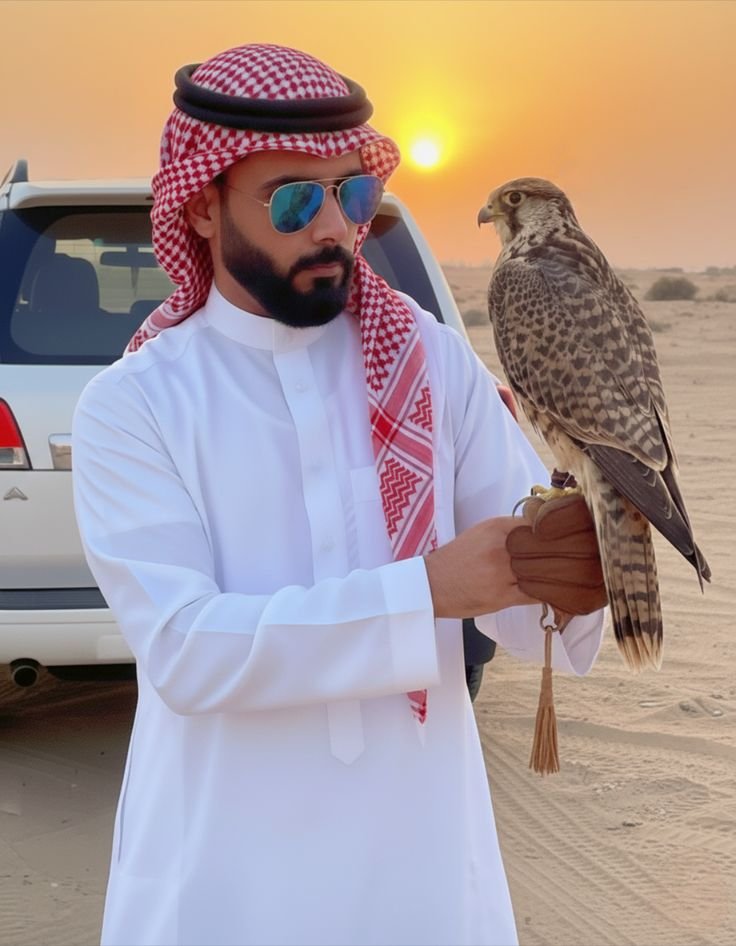
Beyond the gathering itself, the protected desert corridors around Al Khatim remain home to the Arabian oryx, the UAE’s national animal, sand gazelles, and the houbara bustards once hunted by falconers — the same desert that hosted both the majlis fire and the falcon’s flight for centuries. Falcon photography, AED 30 per person, is available as a separate add-on if you want to explore that connected tradition too.
Majlis fluff vs majlis history
Three reasons this is heritage, not just a photo prop.
Not a marketing label
A genuine Intangible Cultural Heritage institution, inscribed in 2015 — the same status as falconry and Arabic calligraphy.
Not just “sitting room”
From jalasa, to sit — the same root behind the UAE’s own Federal National Council, Al Majlis.
Personal, not performative
Sheikh Zayed held his own open majlis throughout his life — the same accessible spirit, not a roped-off VIP curtain.
What Is a Majlis — FAQs
A majlis, literally a place of sitting in Arabic, is a traditional gathering space for hospitality, dialogue and community decision-making across the Arabian Peninsula. In the UAE it has historically been where elders received guests, resolved disputes, shared news and passed down oral history through poetry and storytelling.
Yes. The majlis was inscribed on UNESCO’s Representative List of the Intangible Cultural Heritage of Humanity in 2015, in a joint nomination led by the UAE alongside Saudi Arabia, Oman and Qatar, recognising it as a shared cultural and social space across the wider region.
Majlis comes from the Arabic root jalasa, meaning to sit, and literally translates to a place of sitting. The same root underlies the UAE’s Federal National Council, commonly called Al Majlis, reflecting how the tradition of gathering for consultation carries directly into modern governance.
In the desert, majlis gatherings often took place around an open fire or inside a Bayt Al-She’r, literally a ‘house of hair’ made from goat-hair tent cloth. Elders and guests discussed daily affairs, resolved disputes, exchanged news, and passed down folk stories, songs and Nabati poetry to younger generations who absorbed the knowledge simply by being present.
The Muqahwi was the person responsible for preparing and serving Arabic coffee in an important majlis, often assisted by younger members of the gathering. The role reflects how central coffee service was to majlis hospitality — a tradition still echoed today whenever qahwa is poured for guests.
AED 80 per seat gets your group a private seating area at the camp with live BBQ service, away from the shared seating, while still being part of the wider evening’s entertainment and atmosphere. It is a genuine nod to the hospitality tradition explored on this page, not just a generic upgrade label.
Yes. The UAE’s Founding Father maintained an open-majlis policy throughout his life, where members of the public could come and speak with him directly — a continuation of the open, accessible spirit of the traditional majlis, carried into how successive UAE leadership has engaged with citizens since.
It is a well-known Arab proverb meaning ‘the majalis are schools,’ reflecting how these gatherings have historically served as informal places of learning, where children absorbed history, values and oral tradition simply by accompanying adults to the majlis.
Yes, women have traditionally held their own majlis gatherings, sometimes with a particularly academic or literary character, separate from the men’s majlis. Both reflect the same underlying purpose: a dedicated space for community, dialogue and the exchange of knowledge.
Select VIP majlis as an add-on in the builder below when choosing your package, or mention it on WhatsApp when you book. We confirm availability and your final price, with no online payment, just pay on arrival.
Ready for the dunes?
Send your inquiry on WhatsApp and we’ll confirm your Abu Dhabi desert safari — availability, pickup and price — in minutes.
Book on WhatsAppSend your booking request
Fill in a few details and we’ll open WhatsApp with everything ready to send. No online payment — we confirm availability, pickup & final price, and you pay on arrival.
Please add your name and WhatsApp number so we can confirm.
No online payment is taken here — this just opens WhatsApp with your details, and we reply with availability and the final price.