
Falconry in Abu DhabiThe UNESCO heritage tradition behind the falcon photography add-on — history, symbolism, and how to experience it
Curious about falconry in Abu Dhabi? This is not a recent tourist invention — it is a roughly 4,000-year-old Bedouin tradition, recognised by UNESCO as Intangible Cultural Heritage of Humanity, and woven into the UAE’s national identity from its emblems to the names Emiratis give their children. This guide covers the real history, Sheikh Zayed’s personal legacy with the practice, and how you can experience it yourself on a desert safari from AED 40, with falcon photography from AED 30.
Desert safari from AED 40 · Al Khatim & Al Khaznah desert · ~45 min from the city · pay on arrival
Falconry, at a glance
Desert safari prices at a glance
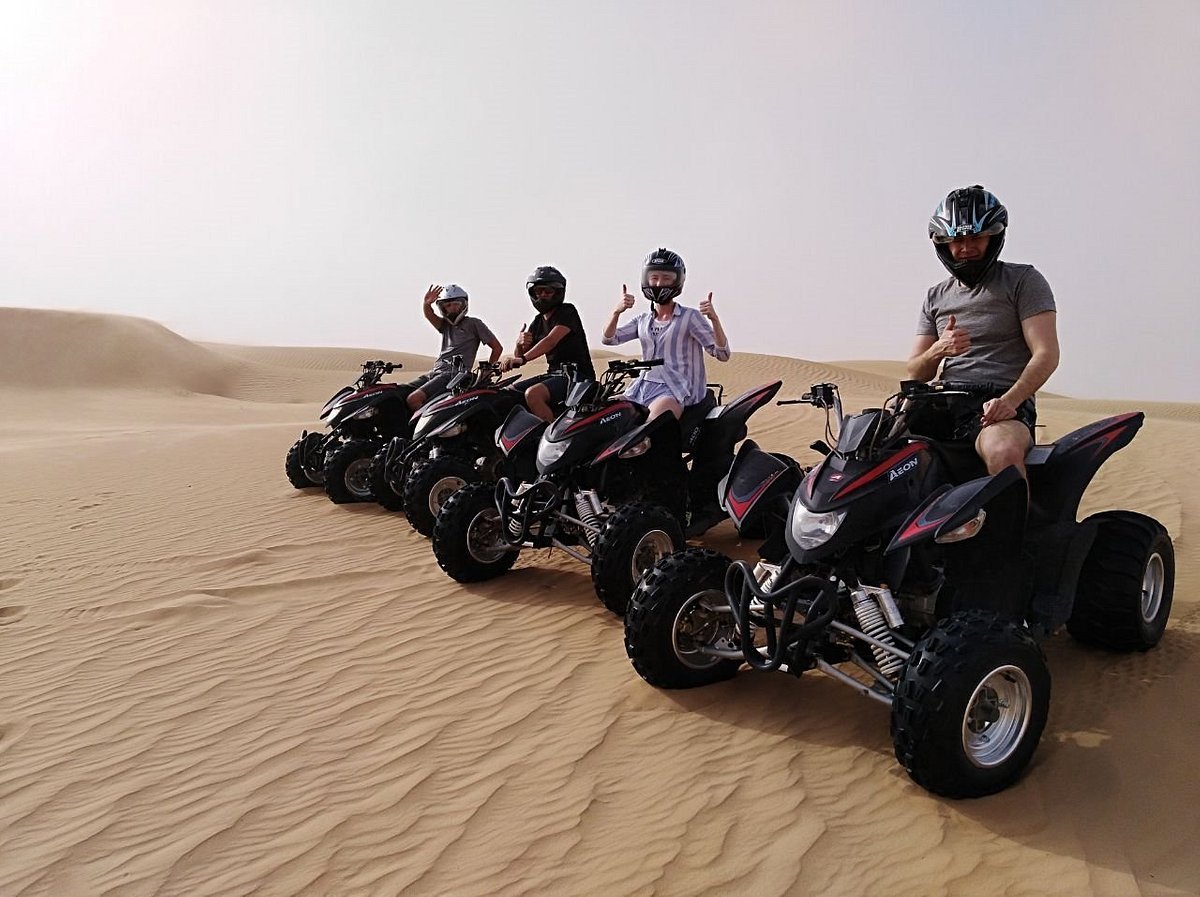
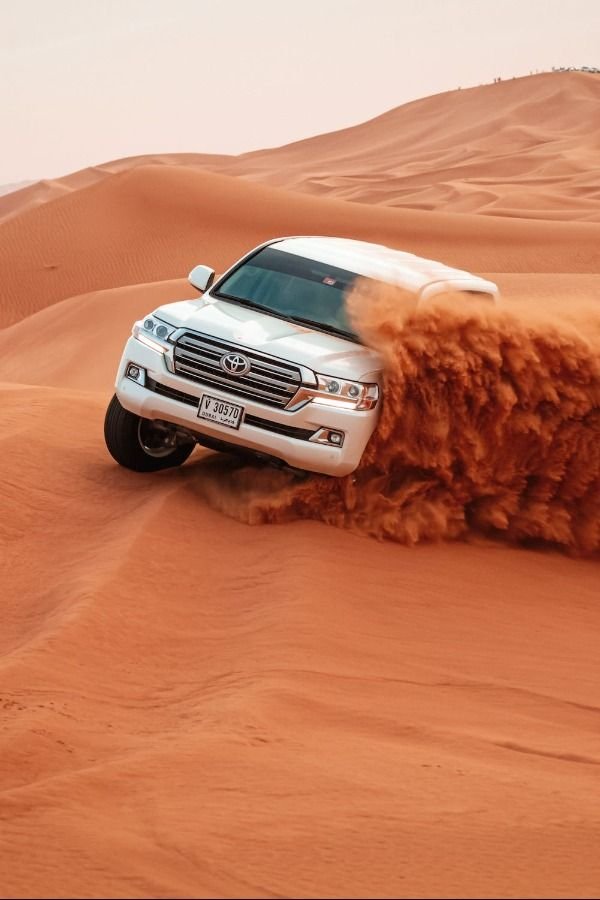
Self-drive AED 40 · shared bus AED 60 · shared 4×4 AED 150 · private Land Cruiser AED 700 for up to 6. Every option includes dune bashing, a camel ride, sandboarding, the BBQ dinner and live shows. Compare every package, or build your safari below and send it on WhatsApp — pay on arrival.
Pick a package, add your extras, send on WhatsApp
Choose your base safari, tap the add-ons you want, and we’ll have your custom total ready. Your inquiry goes straight to our WhatsApp — we reply with availability and pickup details.
Your Safari
Prices per the option’s unit. Final total confirmed on WhatsApp.
No online payment. We confirm availability, pickup time and final price by WhatsApp on +971 50 414 6025.
What is falconry, exactly
Training a bird of prey to hunt cooperatively with a human handler, built on trust rather than captivity — a released falcon chooses to return.
Real geology, not guesswork
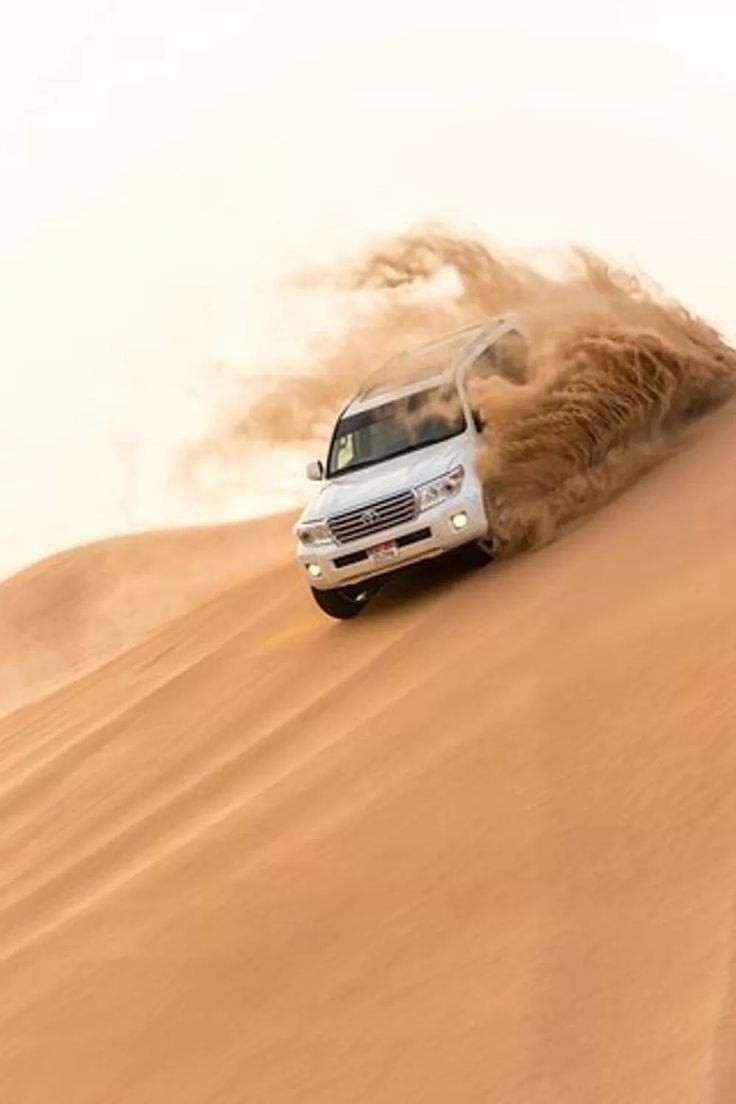
Our dunes are scientifically surveyed linear (seif) dunes, not a vague “Arabian desert” description — verified facts about the exact terrain you will be driving across.
Sized for thrilling dune bashing
At 20 to 50 metres, our local dunes are tall enough for a genuinely exciting 4×4 climb, without needing the multi-hour trip a 300-metre Liwa mega-dune demands.
See the science for yourself
Climb a dune at sunset, watch the colour shift to deep amber, and feel the texture of sand that has been shaped by wind for tens of thousands of years.
Thousands of years of history
Practised in this region for around 4,000 years, originally as Bedouin survival — trained falcons hunted houbara bustards and hares for food.
⭐ Falconry, at a glance
Falconry, known locally as Bizarah, is a roughly 4,000-year-old Bedouin tradition of hunting with trained falcons, recognised by UNESCO as Intangible Cultural Heritage of Humanity since 2010. It is not a tourist invention layered onto a desert safari for effect — it is one of the UAE’s most honoured living traditions, woven into national emblems, family names and the legacy of the country’s Founding Father. This guide covers the real history, what the practice actually involves, and how you can experience it yourself with our falcon photography add-on, AED 30 per person, on any desert safari.
📍 What is falconry, exactly
At its core, falconry is fundamentally the practice of carefully training a bird of prey, almost always a falcon in this region, to hunt cooperatively with a human handler. The relationship is built on trust rather than captivity: a trained falcon is released to fly and hunt, and chooses to return to its handler. Falconers traditionally learn to read every small detail of a bird’s behaviour and mood, building a bond that takes years to develop properly — a genuinely far deeper relationship than the simple word “pet” suggests.
🏜️ Thousands of years of history
Falconry has been practised in the Arab region for around 4,000 years, originally as a matter of survival rather than sport. Desert-dwelling Bedouins trained falcons to hunt houbara bustards and hares, providing essential food during harsh winters in a land with scarce natural resources. The relationship between falconer and bird was often seasonal: in summer, when feeding a falcon became difficult, many Bedouin families would release their birds, only to recapture and retrain new ones the following season — a practical tradition that, over centuries, became something far more than practical. That seasonal release-and-recapture cycle is part of what makes the modern bond between falconer and bird so striking: it was never really about ownership in the way a pet is owned, but a working partnership renewed and re-earned, year after year.
🏆 UNESCO recognition
Falconry was first inscribed on UNESCO’s Representative List of the Intangible Cultural Heritage of Humanity in 2010, an effort led by the UAE alongside a small group of partner nations. The inscription has since been extended multiple times as more countries joined the shared nomination, growing to 24 nations recognising falconry together — one of the largest multinational heritage listings UNESCO maintains, and a reflection of how seriously the UAE has championed this tradition on the world stage.
🦅 Sheikh Zayed’s legacy
The UAE’s Founding Father, the late Sheikh Zayed bin Sultan Al Nahyan, practised falconry from a young age and remained a lifelong supporter of the sport. Under his leadership, the country established the Abu Dhabi Falcon Hospital, now the largest of its kind in the world, treating thousands of birds each year by combining traditional falconry knowledge with modern veterinary medicine. He also launched falcon release programmes aimed at protecting wild populations — conservation efforts that continue to shape how the UAE balances tradition with animal welfare today.
🦅 The falcon as a national symbol
The falcon appears on official UAE and Abu Dhabi emblems, including government and military insignia, a visual shorthand for values long prized in Bedouin life: courage, patience and trust. The cultural connection runs deeper still — many Emiratis are named after falcon varieties, including Baz, Shahin, Sakr, Al Katami, Baidaq and Razwaq, and falconry demonstrations remain a fixture of UAE National Day celebrations. Few national symbols are this thoroughly embedded in everyday language and identity. Even the names themselves carry distinct meaning, since each historically referred to a specific falcon type or trait prized by falconers — a small linguistic detail that hints at just how precisely this tradition was once studied and passed down.
🏥 The Abu Dhabi Falcon Hospital
Separate from any desert safari, the Abu Dhabi Falcon Hospital offers guided tours where visitors can see falcons receiving veterinary care up close — an experience that reveals just how much reverence is given to these birds in the UAE. It is the largest falcon hospital in the world, a genuine point of pride for Abu Dhabi and a natural complement to a safari if you want to go deeper into the tradition during your visit. Seeing a falcon receive the same standard of veterinary attention a person might expect at a major hospital says something about the seriousness with which this tradition is treated here, well beyond what a brief photo on a safari can convey.
📸 Falconry on a desert safari
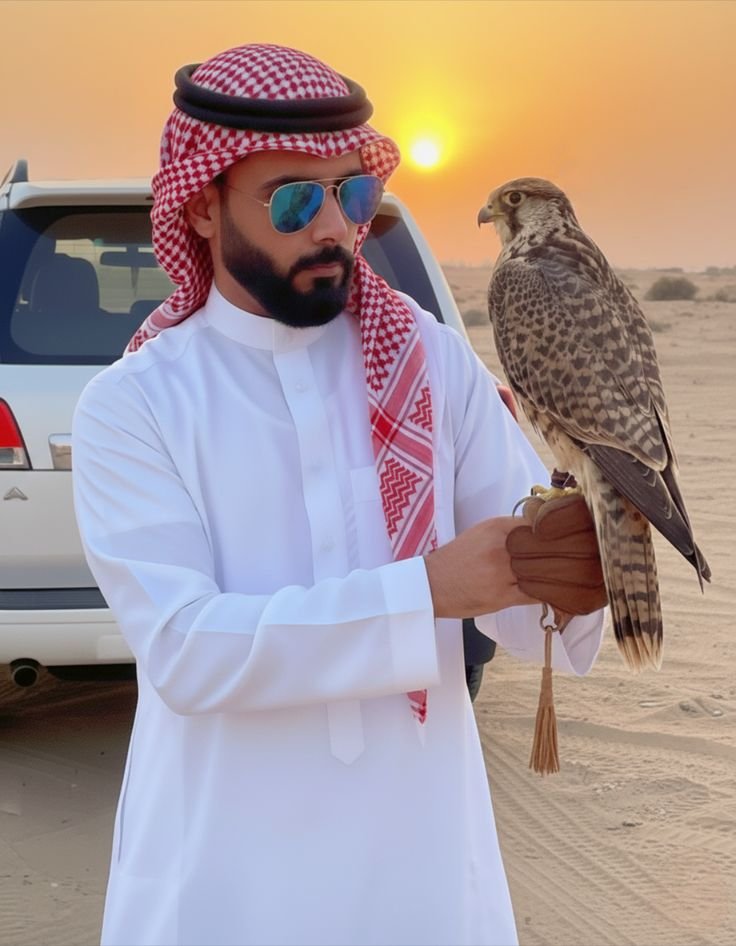
On our packages, falcon photography is available as an add-on, AED 30 per person, giving you the chance to pose with a trained falcon at the camp — a genuine cultural touch, not a staged prop, tied directly to the heritage above. It pairs naturally with our professional photography add-on (from AED 50) for a properly composed shot, and works well alongside the camel ride and Bedouin camp experience already included in every standard package, rounding out an evening that touches several distinct strands of UAE heritage in one visit. Ask your driver or handler at the camp about the bird itself; most are genuinely happy to share a little of the training and care involved, which adds context no photo alone can capture.
🦛 The houbara bustard connection
Houbara bustards, traditionally hunted by falcons across this exact desert, still live in the protected corridors around Al Khatim today, alongside the Arabian oryx and sand gazelles mentioned elsewhere in our guides. Spotting the connection between the wildlife you might see on a safari and the bird that was historically hunted here adds a layer of context most visitors never get — the desert’s ecology and its human history were never really separate stories. It is the kind of detail that rewards a slower look at the desert: the same ground, the same species, the same relationship between people and wildlife, simply continuing on in a different form today.
✅ Why this matters beyond the photo
It would be easy to treat falcon photography as just another add-on, but the tradition behind it is genuinely significant — a UNESCO-recognised practice that the UAE has spent decades actively championing internationally, not a roadside attraction invented for tourists. Knowing the history changes the moment: you are not just holding a falcon for a photo, you are touching a living thread of Bedouin survival, Emirati identity and a Founding Father’s personal legacy, however briefly. That context costs nothing extra to know, and it genuinely changes how the moment feels.
🏜️ Experience falconry yourself
Add falcon photography to any package in the builder below, alongside professional photography if you want a properly composed shot. Choose your base safari, tick the add-on, and send one WhatsApp message — we confirm availability and final price, with no online payment, just pay on arrival.
UNESCO recognition, milestone by milestone
Not a single moment, but decades of deliberate effort by the UAE.
Each step expanded the circle of nations recognising falconry together.
- 📜2010 — first inscribedUNESCO\’s Representative List of the Intangible Cultural Heritage of Humanity, UAE-led.
- 🌍2016 — expandedAn 18-country collaboration extended the joint inscription further.
- 🤝24 nations todayOne of UNESCO\’s largest multinational heritage listings, still growing.
Falconry — quick facts
Here are the quick facts on falconry’s history and heritage, plus what our standard safari already includes. We provide unlimited water, washrooms, and Arabic costumes for photos, all at our camp among the real linear dunes of Al Khatim & Al Khaznah — dune bashing, camel ride, sandboarding, BBQ dinner and live shows.
Landscape, heritage & wildlife
🏜️ The desert landscape
The falconry tradition explored on this page belongs to a real, physical place: the Al Khatim and Al Khaznah desert, wide erg dunes shaped over generations by the region’s seasonal shamal winds, around 45 minutes south-east of Abu Dhabi. Iron-oxide gives the sand its warm ochre tone, deepening to copper and amber tones at sunset, the same backdrop a falcon would once have hunted across at dawn. October through April brings the most comfortable conditions, with daytime temperatures of 22°C to 30°C and clear winter nights settling to a crisp 15°C.
🏕️ Bedouin heritage
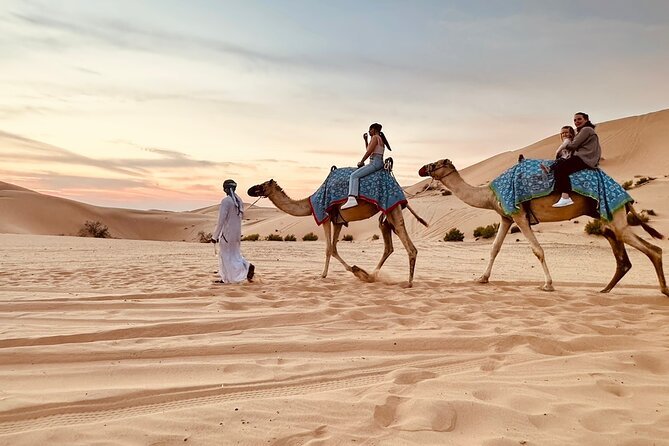
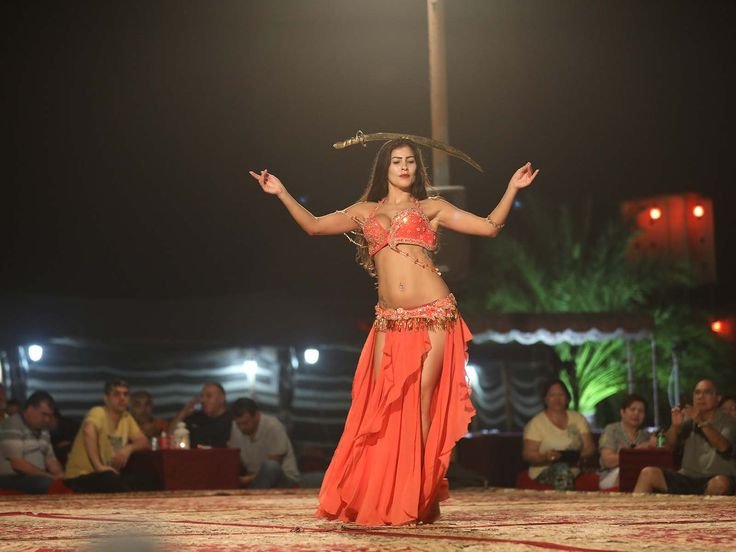
Falconry was never a standalone tradition — it sat alongside everything else Bedouin desert life involved: navigating this exact terrain by camel and starlight, gathering for qahwa, cardamom-spiced Arabic coffee, and dates after a day’s hunt, and passing stories down through majlis-style gatherings. Our camp keeps the wider heritage alive too, with henna art, Arabic costume photos, and live Tanoura and belly-dance performances alongside the falconry add-on, connecting several strands of Emirati tradition in one evening.
🦅 Desert wildlife & the Empty Quarter
Beyond the falcon itself, the protected desert corridors around Al Khatim remain home to the Arabian oryx, the UAE’s national animal, sand gazelles, and the houbara bustards that were traditionally hunted by falconers for centuries. Spotting this living connection between the wildlife and the heritage explored on this page is one of the more thoughtful details an attentive visitor can notice on a single evening out.
Falconry on a desert safari
Three reasons this is heritage, not just a photo prop.
Not a tourist invention
A genuine Intangible Cultural Heritage practice, inscribed in 2010 — the same status as Arabic calligraphy and camel racing.
Survival, not spectacle
Bedouins hunted houbara bustards with falcons out of necessity, centuries before it became cultural pride.
Personal, not performative
Sheikh Zayed practised falconry himself and built the world’s largest falcon hospital to protect it.
Falconry in Abu Dhabi — FAQs
Falconry is the traditional practice of hunting with trained birds of prey, most often falcons, built on a bond of trust between handler and bird. In the UAE it is known locally as Bizarah, from the Arabic word baz, meaning bird, and it remains one of the country’s most honoured living traditions.
Yes. Falconry was first inscribed on UNESCO’s Representative List of the Intangible Cultural Heritage of Humanity in 2010, an effort led by the UAE, and has since been extended several times to include more countries, now standing at 24 nations on the list together.
Falconry has been practised in the Arab region for around 4,000 years, originally by desert-dwelling Bedouins who relied on trained falcons to hunt houbara bustards and hares for food during harsh winters, long before it became the honoured cultural tradition it is today.
Bizarah is the Arabic term for falconry, derived from baz, meaning bird, by way of an older term used by the Byzantines. It reflects how deeply embedded the practice is in the region’s language and identity, not just its outdoor traditions.
Yes, we offer falcon photography as an add-on, AED 30 per person, on our desert safari packages — a chance to pose with a trained falcon at the camp, connecting your evening to this genuine UNESCO-recognised tradition rather than just reading about it.
It is the largest falcon hospital in the world, established as part of the UAE’s wider effort to safeguard falconry as living heritage. It treats thousands of birds each year and combines traditional falconry knowledge with modern veterinary science, and offers guided tours separately from desert safari bookings.
The falcon represents values long prized in Bedouin life — courage, patience and trust — and appears on official UAE and Abu Dhabi emblems, including government and military logos. Many Emiratis are even named after falcon varieties, such as Baz, Shahin and Sakr, reflecting how deeply the bird is woven into local identity.
Houbara bustards and hares were the traditional quarry, hunted by Bedouin falconers as an essential food source in a land with scarce natural resources. These same houbara bustards still live in the protected desert corridors around Al Khatim today.
AED 30 per person, added to any of our standard desert safari packages. It pairs well with professional photography (from AED 50) for a properly composed shot with the falcon, rather than a quick phone photo.
Select falcon photography as an add-on in the builder below when choosing your package, or mention it on WhatsApp when you book. We confirm availability and your final price, with no online payment, just pay on arrival.
Ready for the dunes?
Send your inquiry on WhatsApp and we’ll confirm your Abu Dhabi desert safari — availability, pickup and price — in minutes.
Book on WhatsAppSend your booking request
Fill in a few details and we’ll open WhatsApp with everything ready to send. No online payment — we confirm availability, pickup & final price, and you pay on arrival.
Please add your name and WhatsApp number so we can confirm.
No online payment is taken here — this just opens WhatsApp with your details, and we reply with availability and the final price.